
Food Trending

The World’s 10 Hottest Peppers and Where to Try Them

Blog Image
Email :

The world of chili peppers is constantly evolving, with new varieties breaking records in heat every year. These peppers aren’t just fiery, they also offer a surprising range of flavors, from fruity and smoky to deeply earthy. For adventurous eaters and spice lovers, tasting these peppers is as much about the experience as it is about the heat. From Caribbean islands to U.S. chili festivals, these super-hot peppers can be found in kitchens and restaurants around the world.

Gallery Slides
Blog Image
© Thrillst

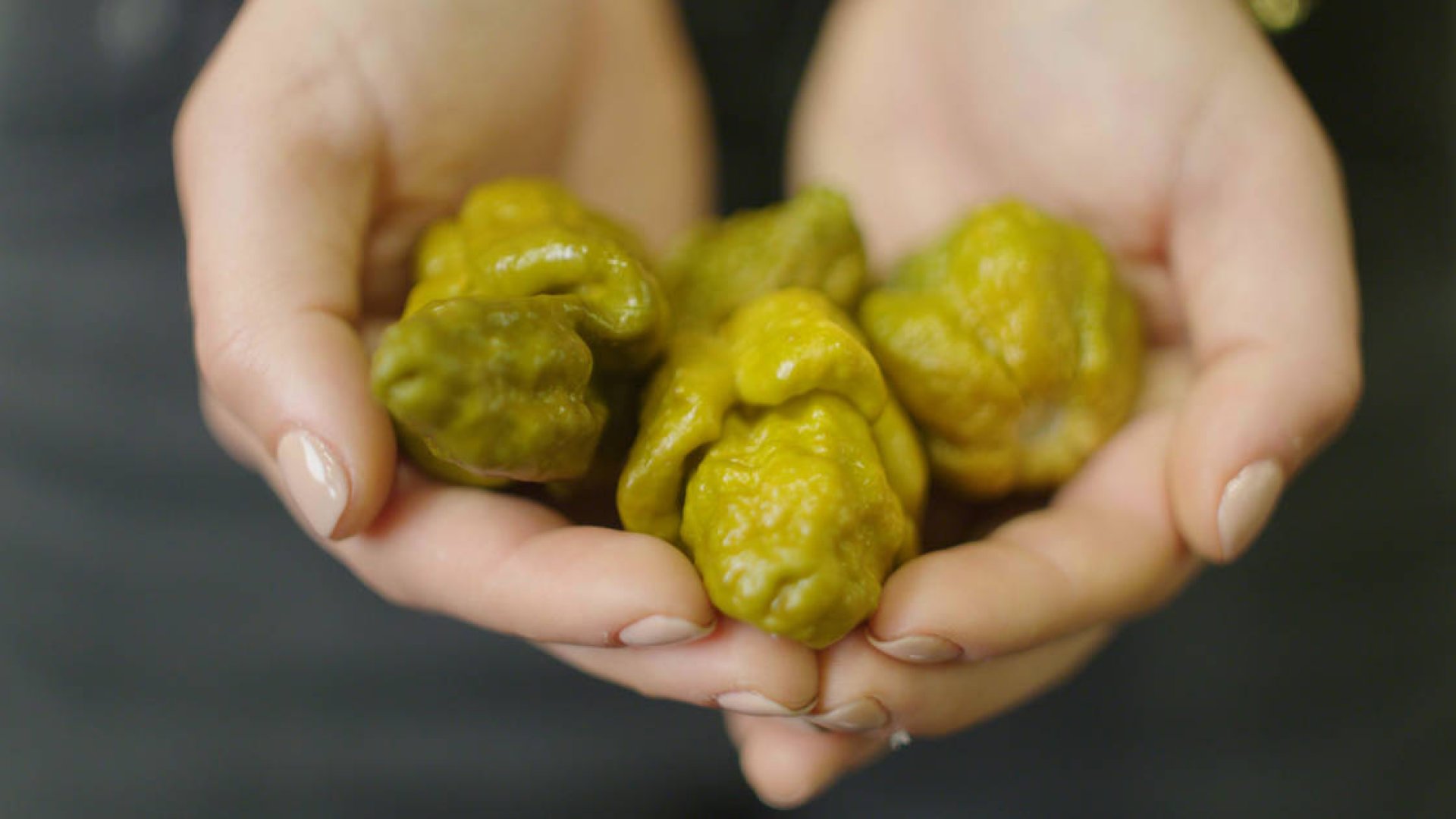
1. Pepper X – 2,693,000 SHU
Pepper X is currently the hottest pepper on the planet, averaging 2.69 million Scoville Heat Units and sometimes peaking over 3 million. While it is rare and not widely available for home cultivation, brave eaters can sometimes try it at U.S.-based chili festivals, especially in North Carolina, where it was developed. Dishes infused with Pepper X are often extreme challenges, designed for those who want to test their tolerance. Even small bites can deliver a shocking heat wave, making it a must-try for the most daring spice enthusiasts.

Blog Image
© Carolina Reaper

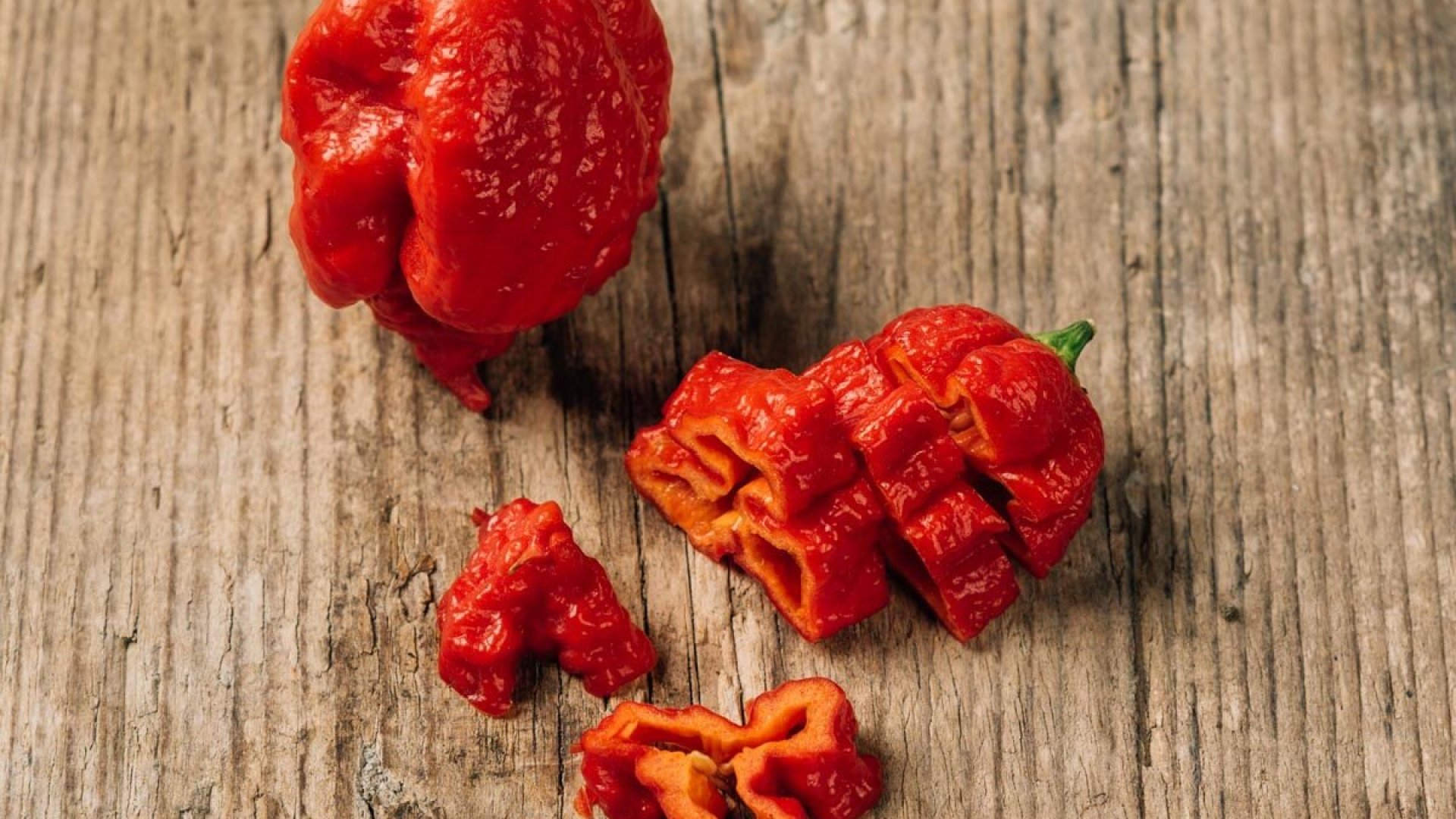
2. Carolina Reaper – 2,200,000 SHU
The Carolina Reaper is legendary, created by crossing a Ghost Pepper with a Red Habanero. It’s known for its incredible heat and a surprisingly fruity, sweet flavor beneath the burn. You can taste it at restaurants across the Southern U.S., especially in Texas and Louisiana, in fiery wing challenges, hot sauces, or chili dishes. Festivals dedicated to spicy food often feature Carolina Reaper sauces, giving foodies a chance to experience this pepper at its peak intensity without growing it themselves.

Blog Image
© Ghost Scream Google

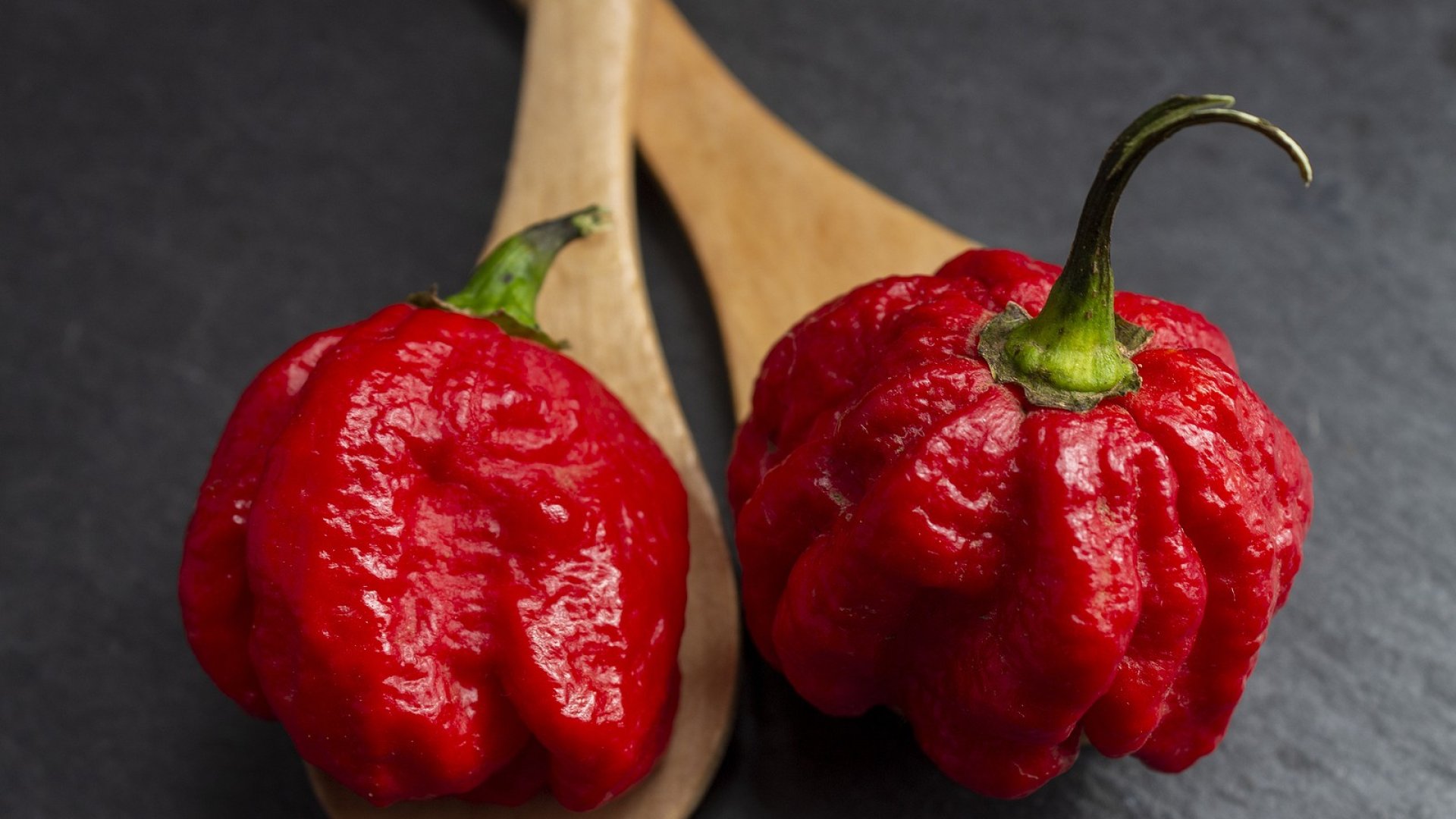
3. Trinidad Moruga Scorpion – 2,009,231 SHU
Hailing from the Moruga region of Trinidad and Tobago, the Moruga Scorpion builds heat slowly but intensely, leaving a lingering burn. This pepper is celebrated in Caribbean cuisine and can be sampled in Trinidadian stews, hot sauces, and local dishes at restaurants in Port of Spain. Some U.S. Caribbean-themed eateries in Florida also serve dishes featuring this pepper, giving diners an authentic taste of the island’s heat and flavor.

Blog Image
© Pepperscale Google

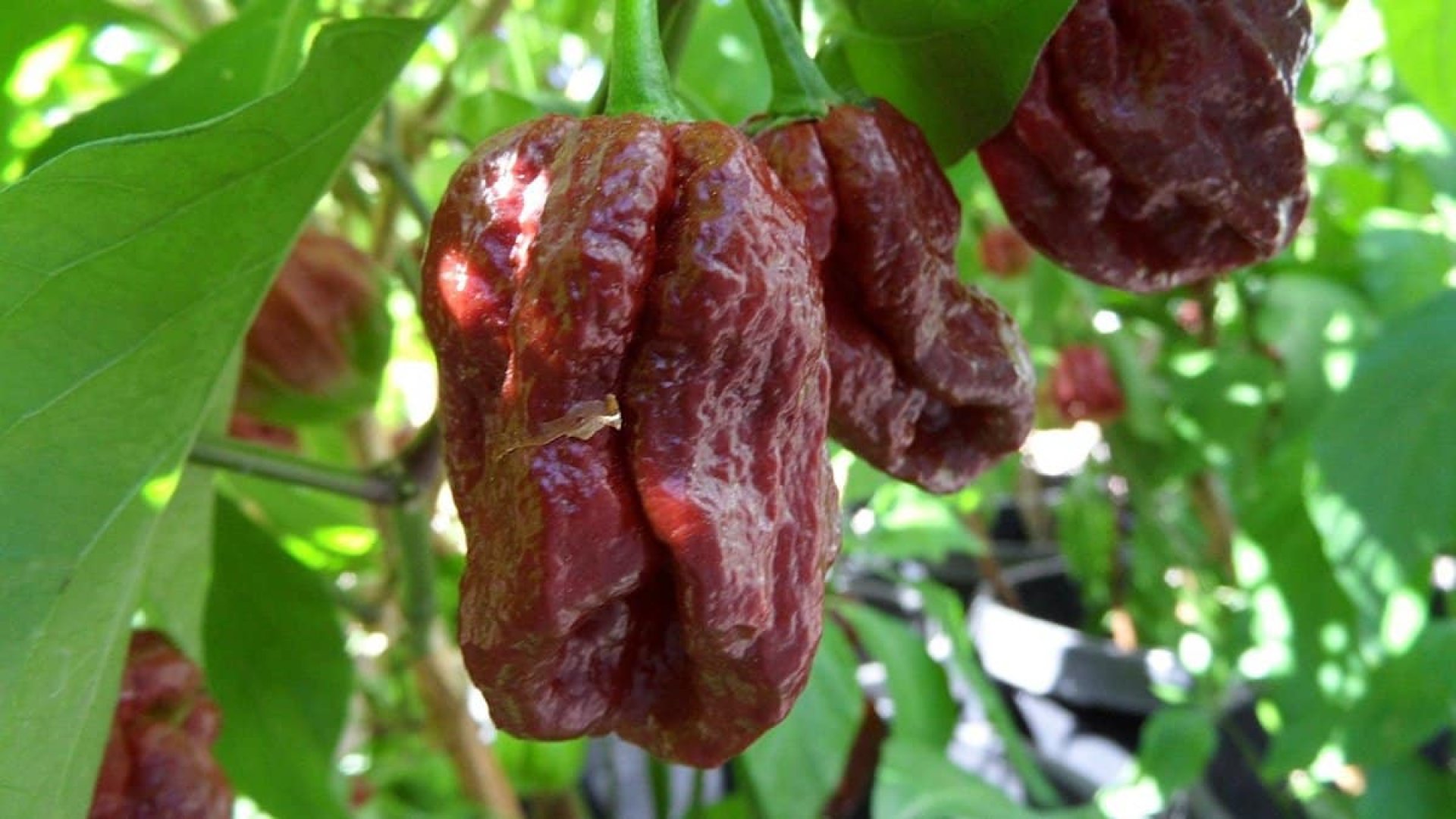
4. 7 Pot Douglah – 1,853,936 SHU
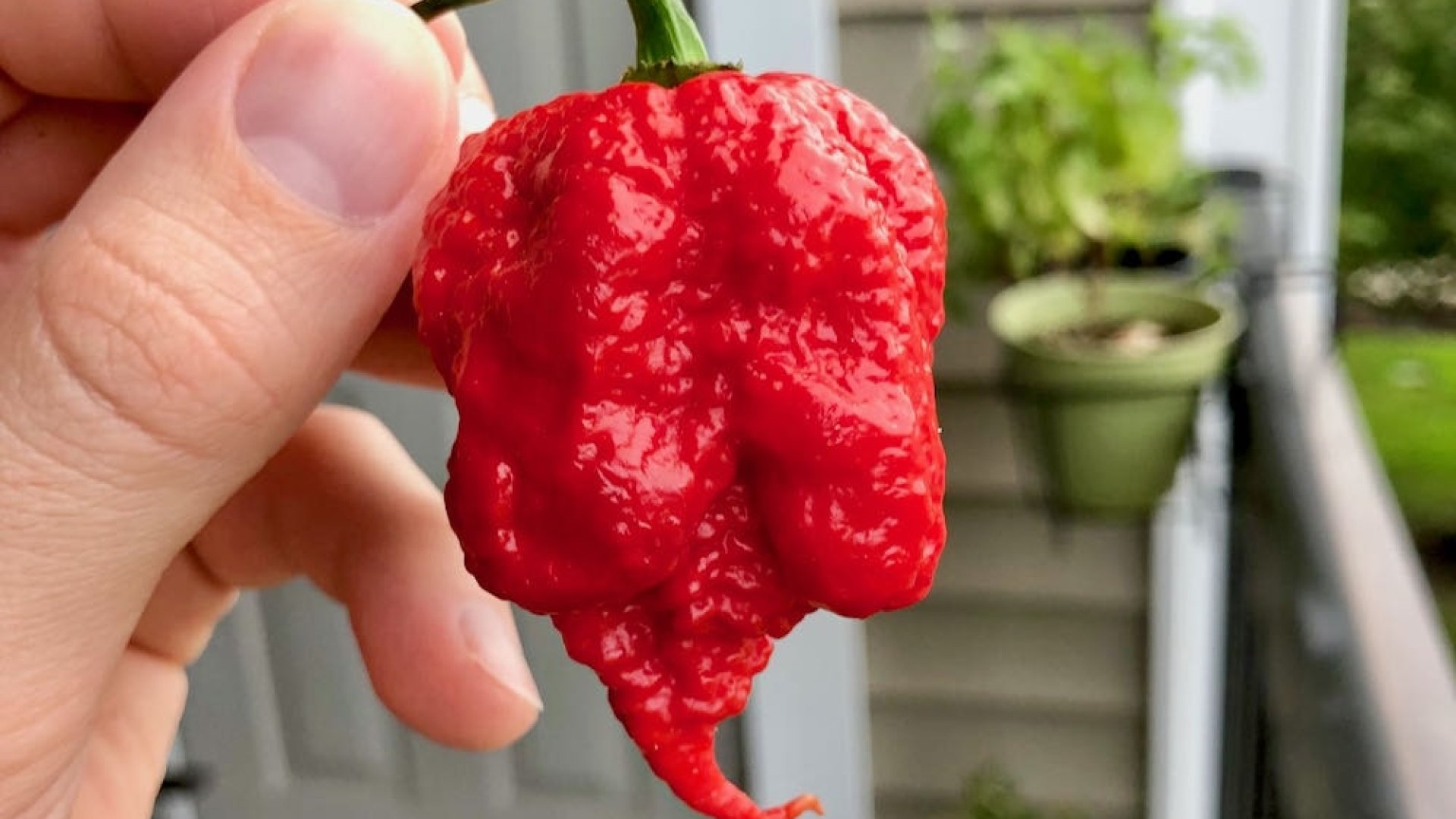
The 7 Pot Douglah is a deep brown pepper known for its heat and rich, nutty flavor. It is often used in sauces, marinades, and spicy dishes across Louisiana and other Southern states. You can find it at specialty restaurants or spice-focused events, where chefs showcase its unique combination of heat and flavor. Its dark color makes it stand out among the usual red super-hots, and it is a favorite for those who want extreme spice without losing the taste profile.

Blog Image
© Peppergeek Google

5. 7 Pot Primo – 1,469,000 SHU
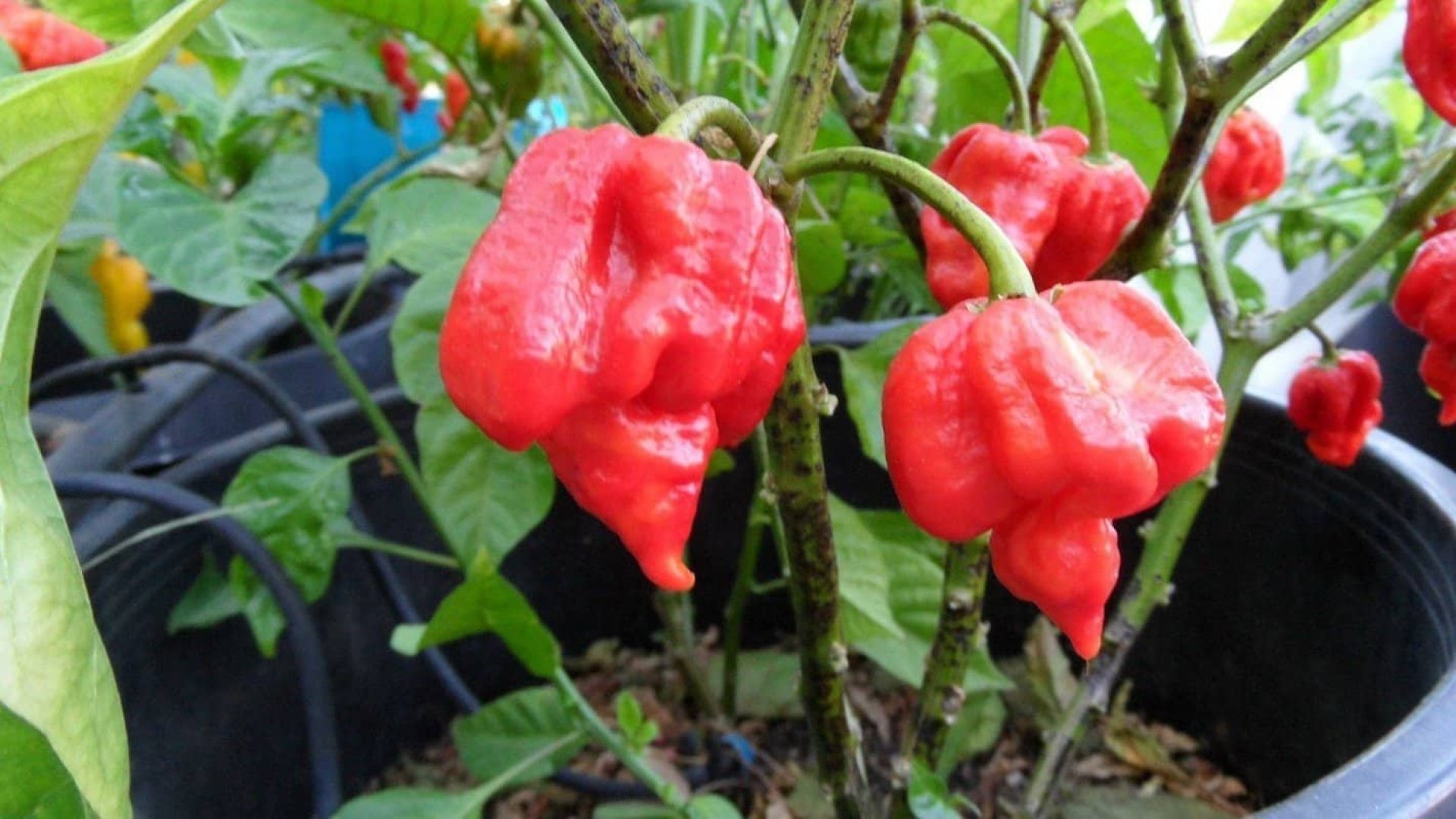
Distinctive for its long, skinny stinger, the 7 Pot Primo delivers a concentrated burn in every bite. This pepper can be sampled at chili festivals in Texas and Louisiana or in specialty sauces sold at hot sauce shops. It is also used in fiery dishes at restaurants known for extreme heat challenges. Its intense spice and visually striking appearance make it popular among chefs and spice enthusiasts looking for something both intimidating and flavorful.

Blog Image
© Pepperscale Google

6. Trinidad Scorpion “Butch T” – 1,463,700 SHU
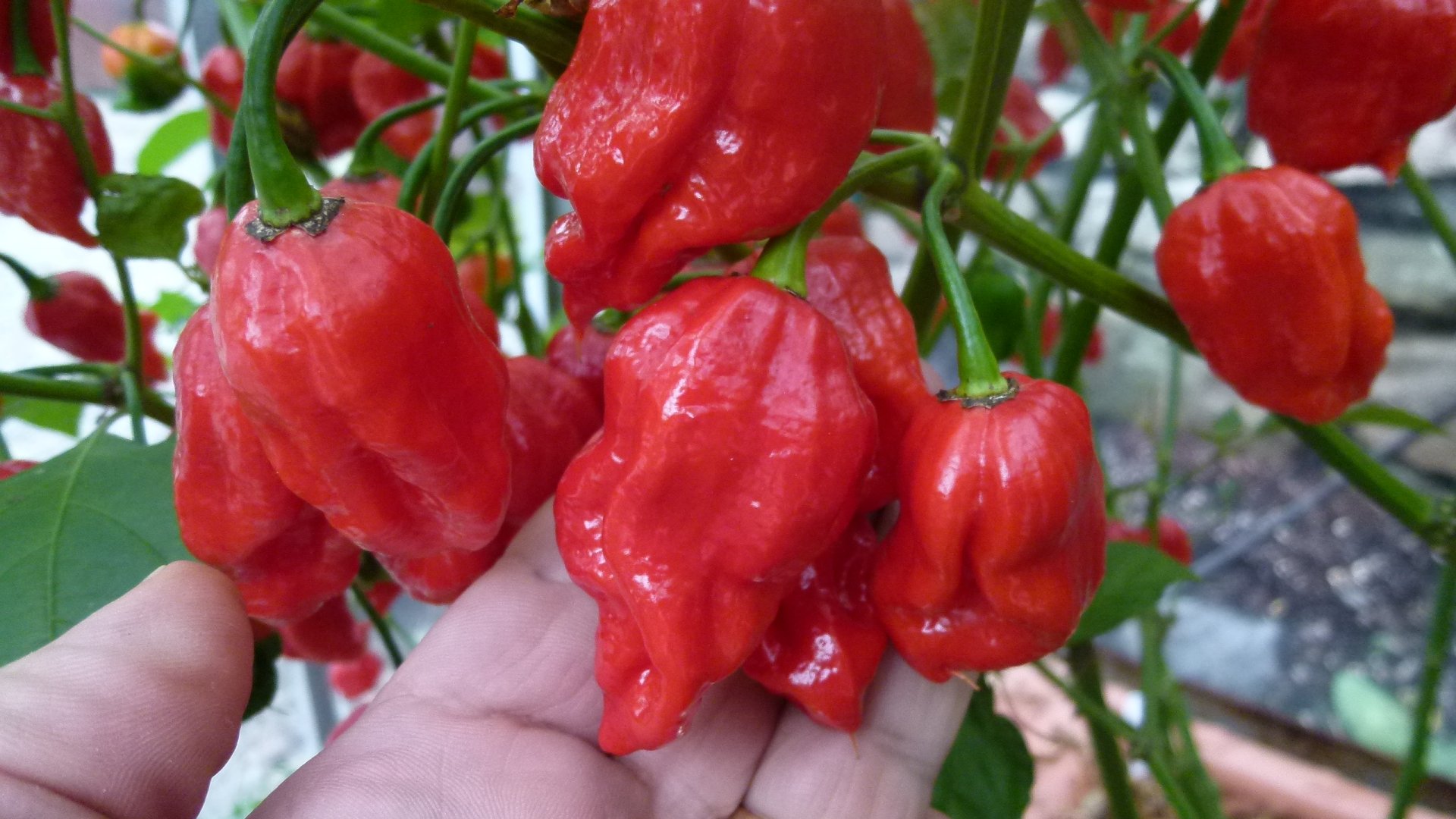
The Trinidad Scorpion “Butch T” is a former Guinness World Record holder with a burn that builds quickly and fiercely. Its fruity undertones balance the intense heat, making it ideal for hot sauces, marinades, and chili challenges. You can find it featured at spice festivals in Trinidad, Australia, and the U.S., particularly in specialty restaurants that focus on extreme heat dishes. Many adventurous eaters seek out this pepper for competitions or tasting events, where it is often used to test limits safely.

Blog Image
© Chilliseeds Google

7. Naga Viper – 1,349,000 SHU
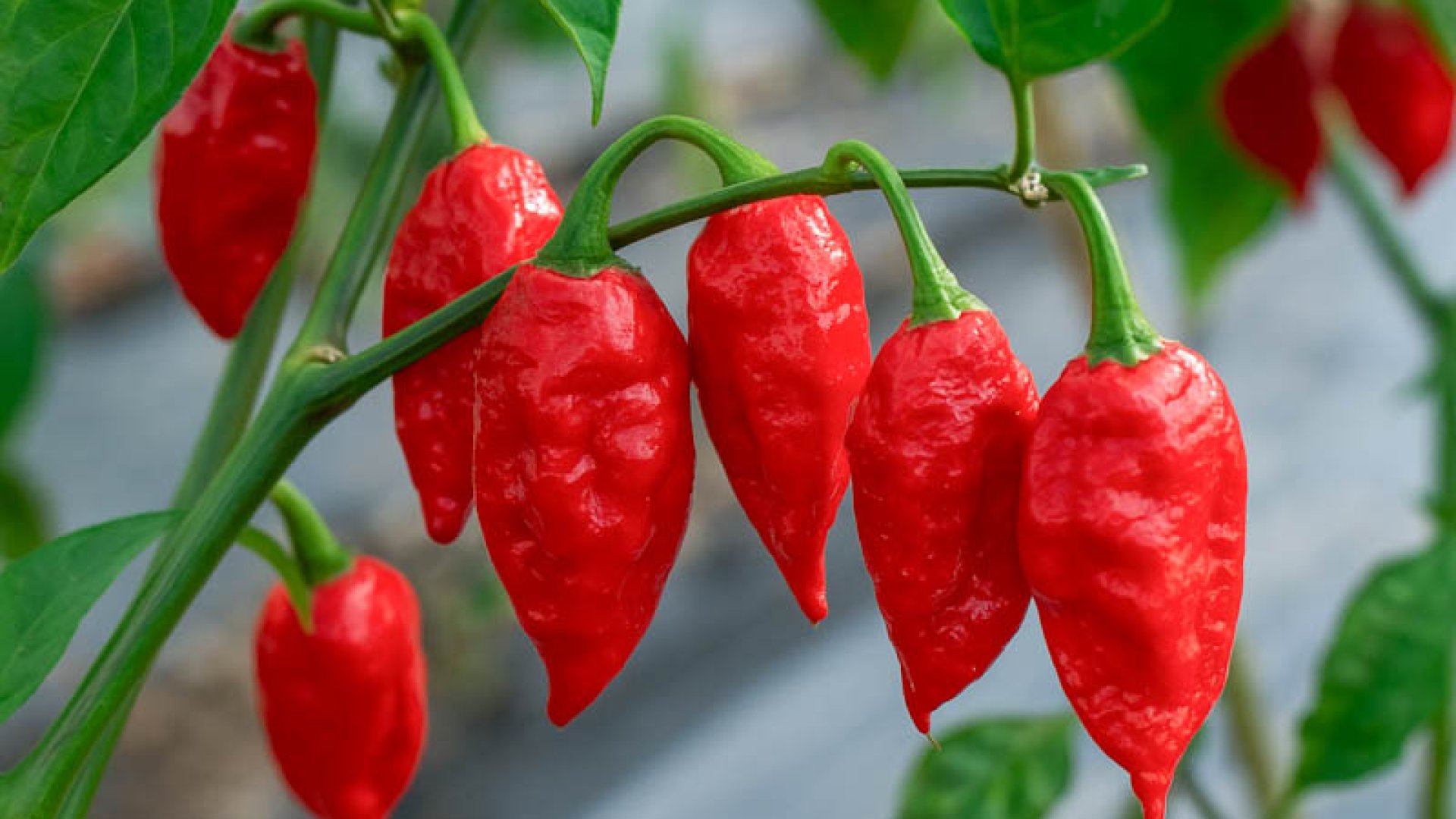
The Naga Viper was developed in the U.K. as a hybrid of several super-hot varieties. It is extremely rare but can be experienced at British chili festivals or in limited-edition sauces sold by specialty restaurants and spice shops. Its heat is intense, and the pepper is prized for its complex flavor profile. Some restaurants in London and Birmingham occasionally include it in extreme hot wings or super-spicy curry dishes for those seeking the ultimate pepper challenge.

Blog Image
© Gardenia Google

8. Ghost Pepper (Bhut Jolokia) – 1,041,427 SHU
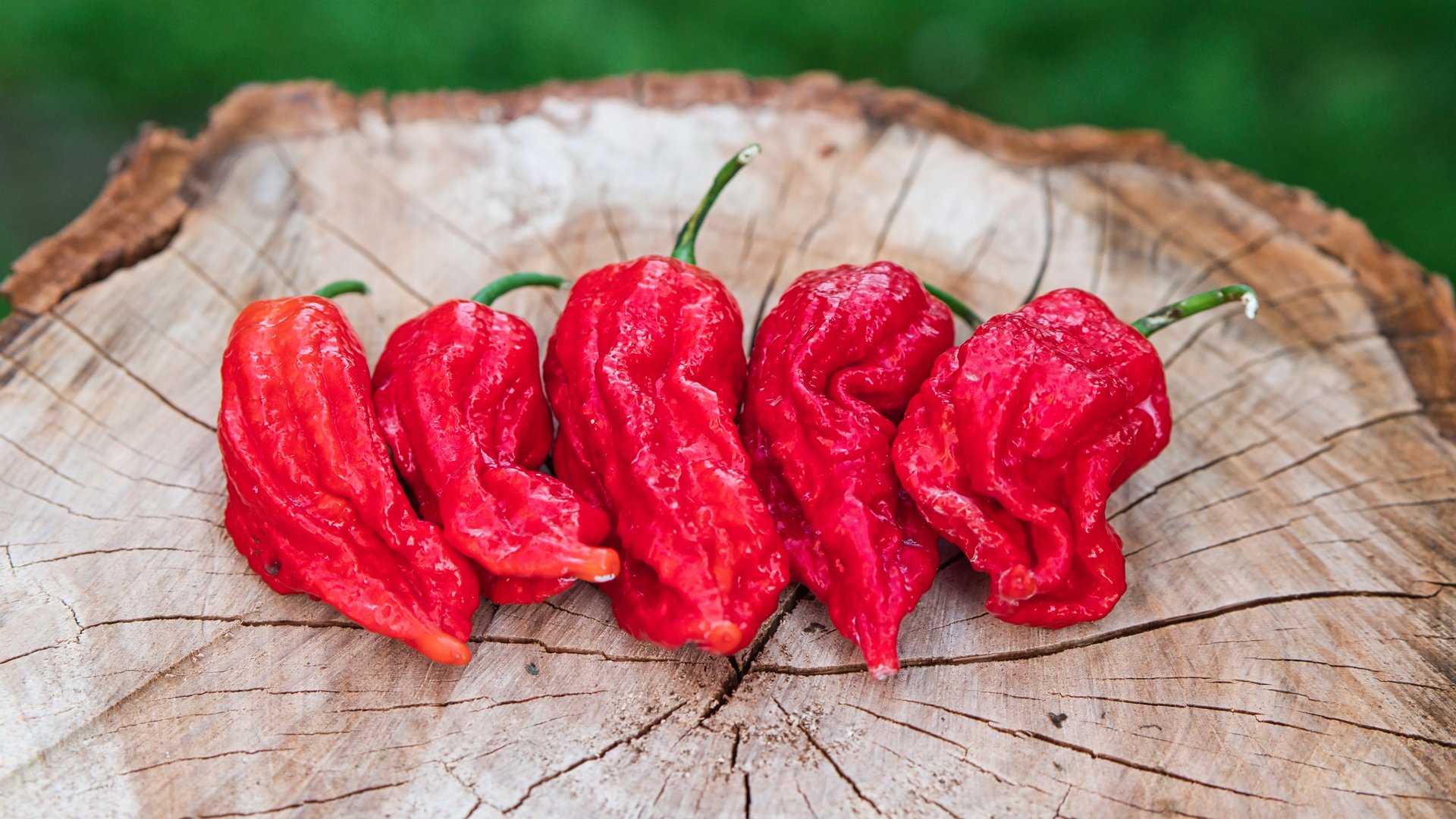
The Ghost Pepper, from Assam, India, was the first pepper to surpass 1 million Scoville Heat Units. Its fame has spread worldwide, and you can try it in traditional Indian curries, chutneys, and street food, as well as at spice challenges in U.S. chili restaurants and global foodie events. Despite its legendary heat, it retains a subtle smoky flavor, which makes it popular among chefs and adventurous eaters who want heat with character.

Blog Image
© Chilliomacky Google

9. 7 Pot Barrackpore – ~1,000,000 SHU
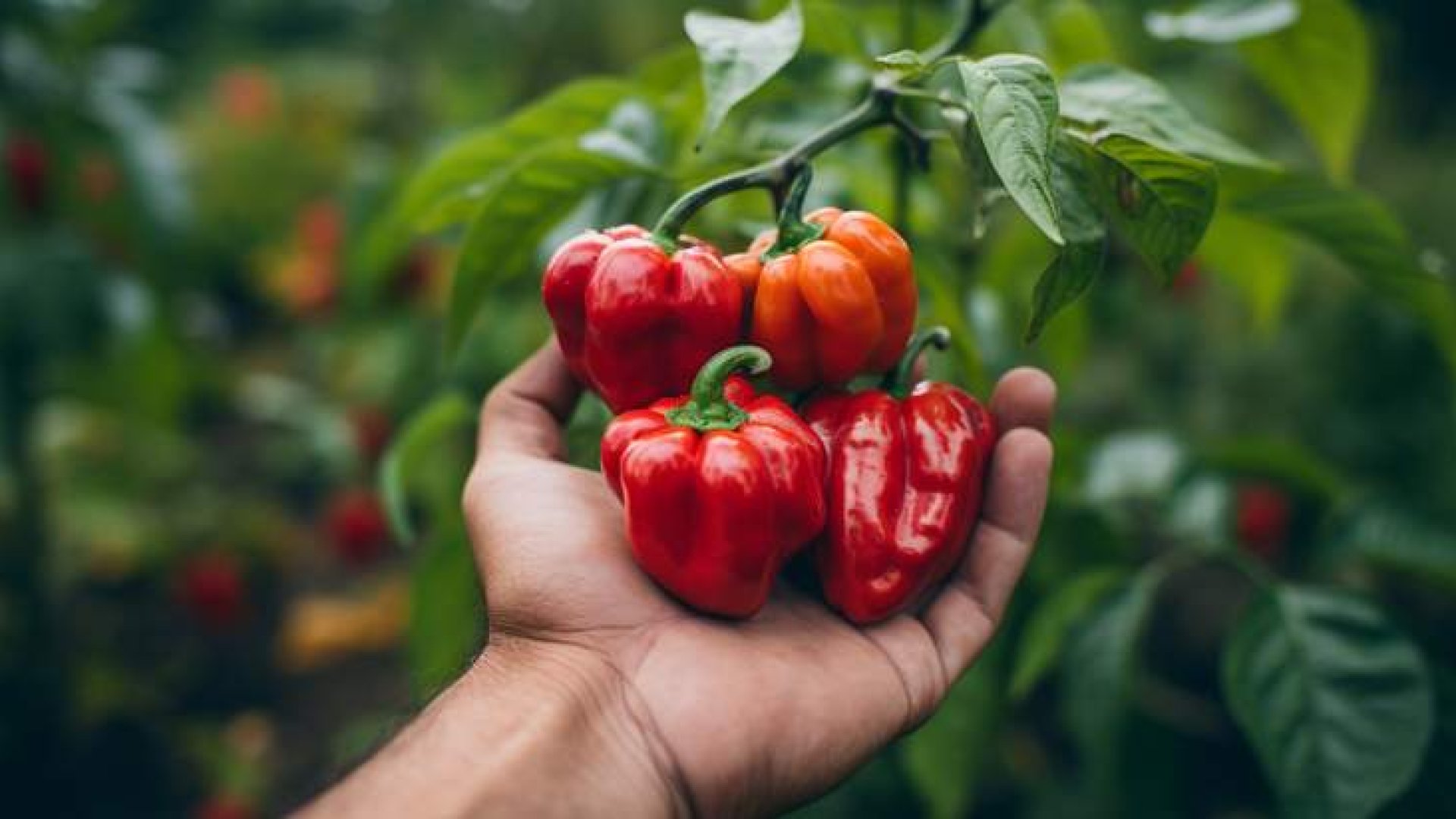
Originating from Chaguanas in Trinidad, the 7 Pot Barrackpore is part of the famous 7 Pot family and offers intense, lingering heat. This pepper is often used in Caribbean sauces, hot condiments, and local dishes. Restaurants in Trinidad, as well as Caribbean-themed eateries in Florida and New York, sometimes feature this pepper in specialty dishes, giving diners a chance to experience its fiery power firsthand.

Blog Image
© Chilicraze Google

10. Red Savina Habanero – 500,000 SHU

Once the world’s hottest pepper, the Red Savina Habanero is beloved for its combination of heat and rich flavor. It is widely used in hot sauces, chili dishes, and fiery marinades across the U.S., especially in the Southwest and California. Spice festivals and specialty restaurants often showcase it in competitions or tasting events, making it accessible for those who want to experience legendary super-hot flavor without venturing into the extreme levels of peppers like the Reaper or Pepper X.

Related Tag :

Comments (0)

Leave a Comment

Your email address will not be published. Required fields are marked *