
Food Country Based Cuisines

12 Ethiopian Dishes with Bold and Spicy Flavors

Blog Image
Email :

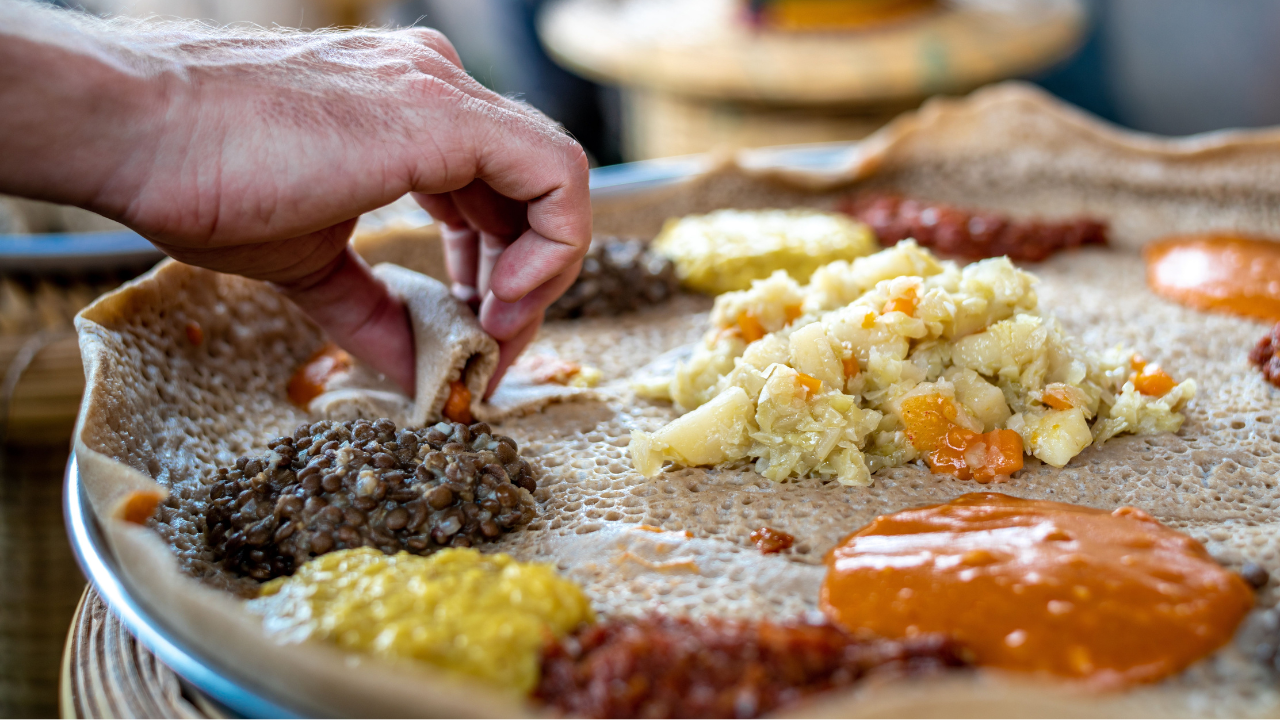
Ethiopian cuisine is known for its bold spices, rich stews, and unique communal style of eating. Meals are often served on injera, a soft sourdough flatbread that acts as both plate and utensil. The dishes are deeply flavorful, combining slow-cooked meats, legumes, and vegetables with spice blends like berbere. Preparing these recipes at home allows you to explore new textures and cooking techniques. From hearty stews to simple sides, Ethiopian food offers a comforting and satisfying experience. These dishes are perfect for sharing and enjoying together.

Gallery Slides
Blog Image
© The Fake Food Show

1. Injera Flatbread
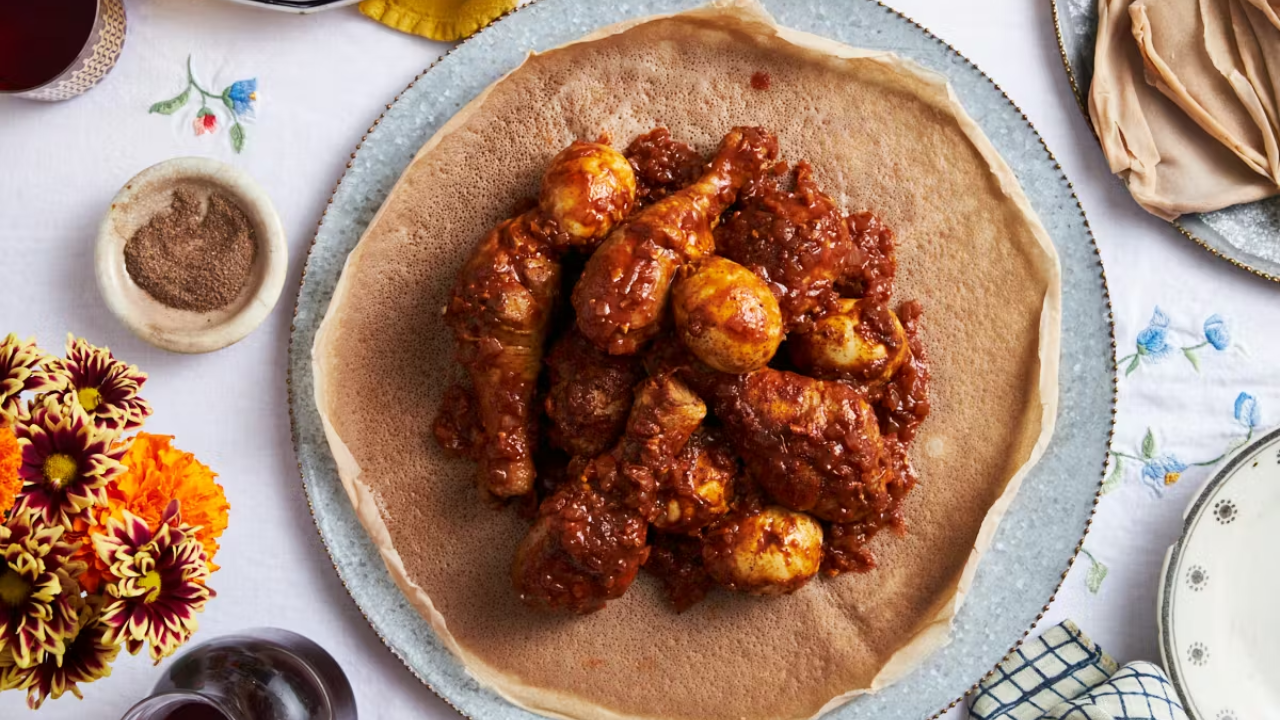
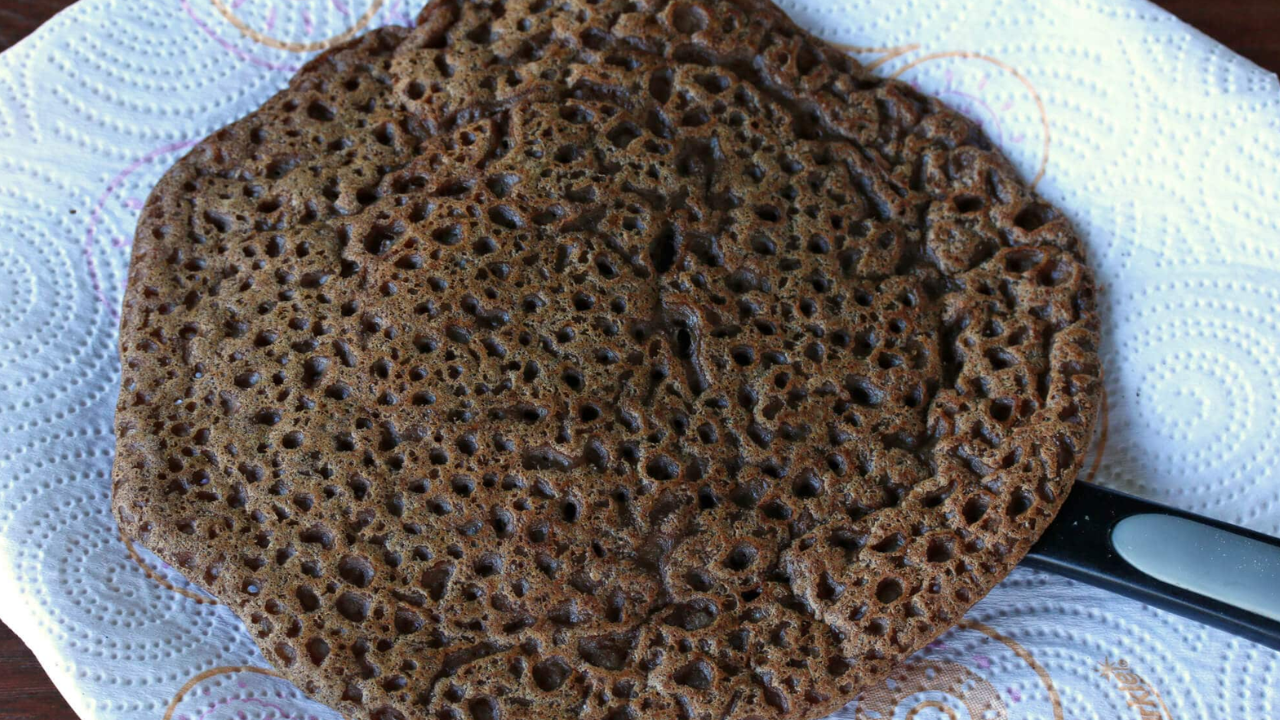
Injera is a soft, spongy flatbread made from fermented teff flour, giving it a slightly tangy flavor. The batter is left to ferment, which creates its signature airy texture and small holes on the surface. It is cooked like a large pancake and used to scoop up stews and sides. The texture is soft yet sturdy enough to hold sauces. Injera is a staple in Ethiopian cuisine and central to every meal. It provides both flavor and function on the plate.

Degree of Difficulty: Medium
Core Techniques: Fermenting, pan cooking
Key Equipment: Bowl, pan
Beginner-Friendly Variations: Use mixed flour, reduce fermentation time

Blog Image
© The Fake Food Show

2. Doro Wat Chicken Stew
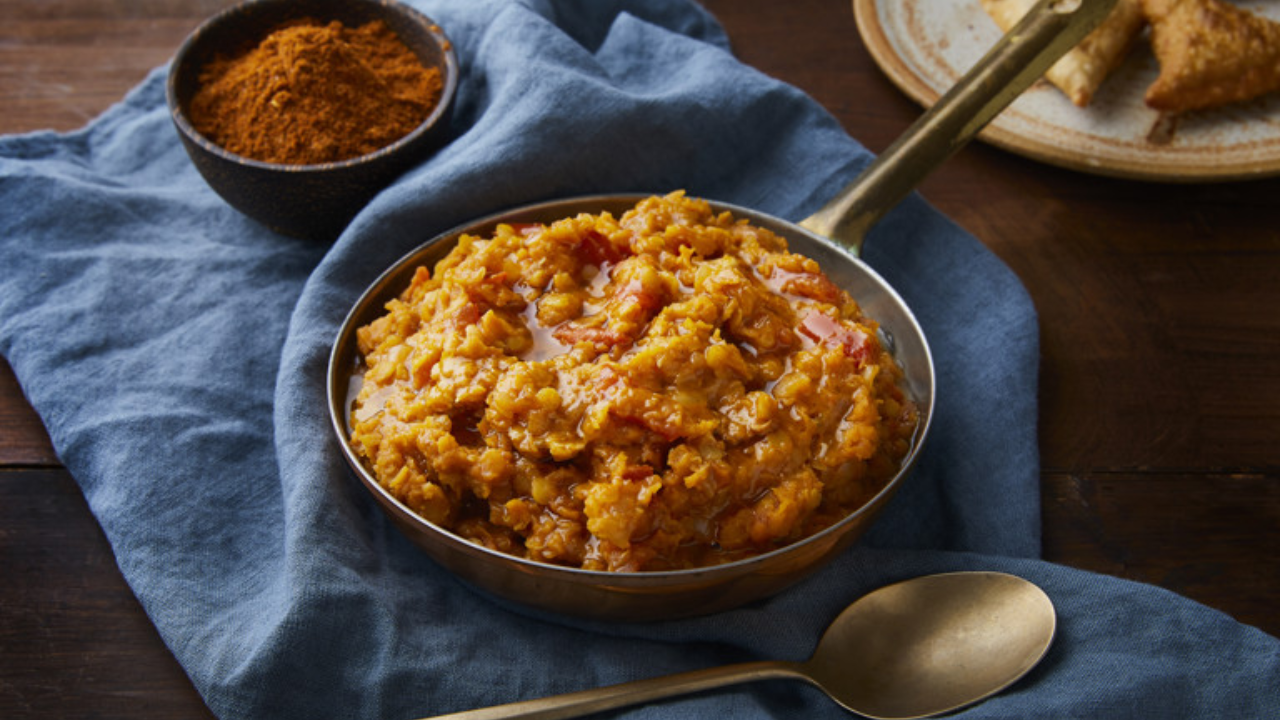
Doro wat is a rich and spicy chicken stew cooked with onions, garlic, and berbere spice blend. The onions are slowly cooked down to create a thick and flavorful base. The chicken becomes tender as it simmers in the sauce. Boiled eggs are often added for extra richness and texture. The flavor is bold, slightly smoky, and deeply satisfying. This dish is often served during special occasions and gatherings.

Degree of Difficulty: Medium
Core Techniques: Slow cooking, sautéing, simmering
Key Equipment: Pot, spoon
Beginner-Friendly Variations: Reduce spice, skip eggs

Blog Image
© The Fake Food Show

3. Misir Wat Spicy Lentils
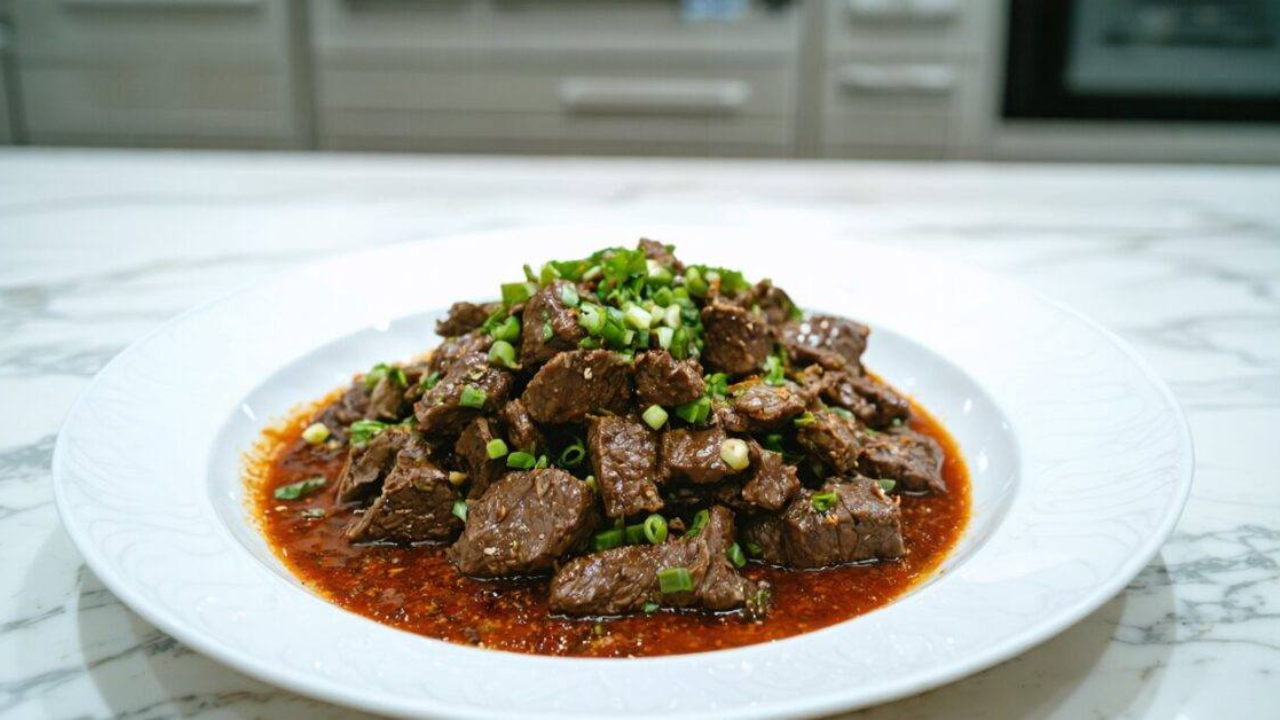
Misir wat is a hearty lentil stew cooked with spices, onions, and tomato paste. The lentils soften as they cook, creating a thick and comforting texture. The berbere spice adds heat and depth to the dish. It is both nutritious and filling, making it a popular everyday meal. The flavors are bold yet balanced. This dish pairs perfectly with injera for a complete experience.

Degree of Difficulty: Easy
Core Techniques: Boiling, simmering
Key Equipment: Pot, spoon
Beginner-Friendly Variations: Reduce spice, add vegetables

Blog Image
© The Fake Food Show

4. Tibs (Sautéed Meat)
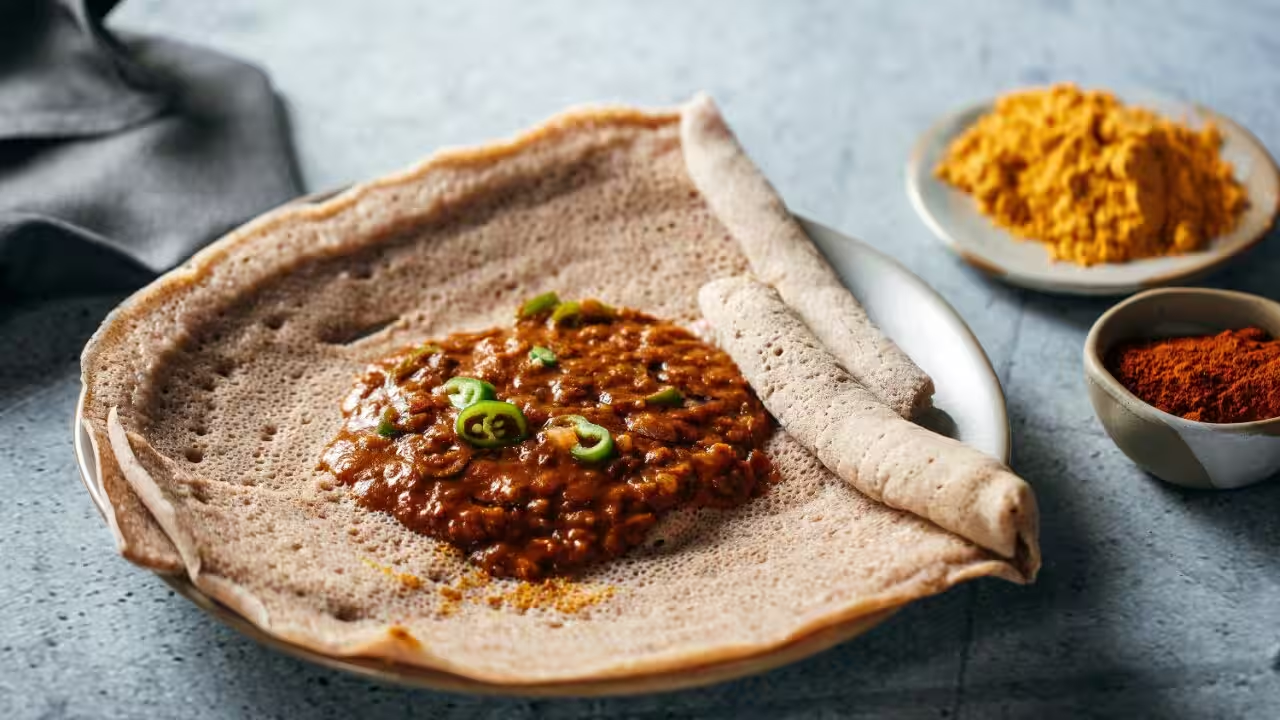
Tibs is a simple yet flavorful dish made by sautéing pieces of meat with onions, peppers, and spices. The meat is cooked quickly at high heat, creating a slightly crispy exterior. The vegetables add freshness and balance to the dish. The seasoning enhances the natural flavor without overpowering it. Tibs can be served dry or with a light sauce. It is a popular choice for both everyday meals and celebrations.

Degree of Difficulty: Easy
Core Techniques: Sautéing, seasoning
Key Equipment: Pan, knife
Beginner-Friendly Variations: Use chicken, reduce spice  

Blog Image
© The Fake Food Show

5. Shiro Chickpea Stew
Shiro is a thick stew made from ground chickpeas mixed with spices and cooked into a smooth sauce. The texture is creamy and comforting, making it ideal for dipping with injera. The flavors are rich yet mild compared to spicier dishes. It is a staple vegetarian option in Ethiopian cuisine. The simplicity of ingredients makes it easy to prepare. This dish is both satisfying and nutritious.

Degree of Difficulty: Easy
Core Techniques: Mixing, simmering
Key Equipment: Pot, spoon
Beginner-Friendly Variations: Add garlic, adjust thickness

Blog Image
© The Fake Food Show

6. Gomen (Collard Greens)
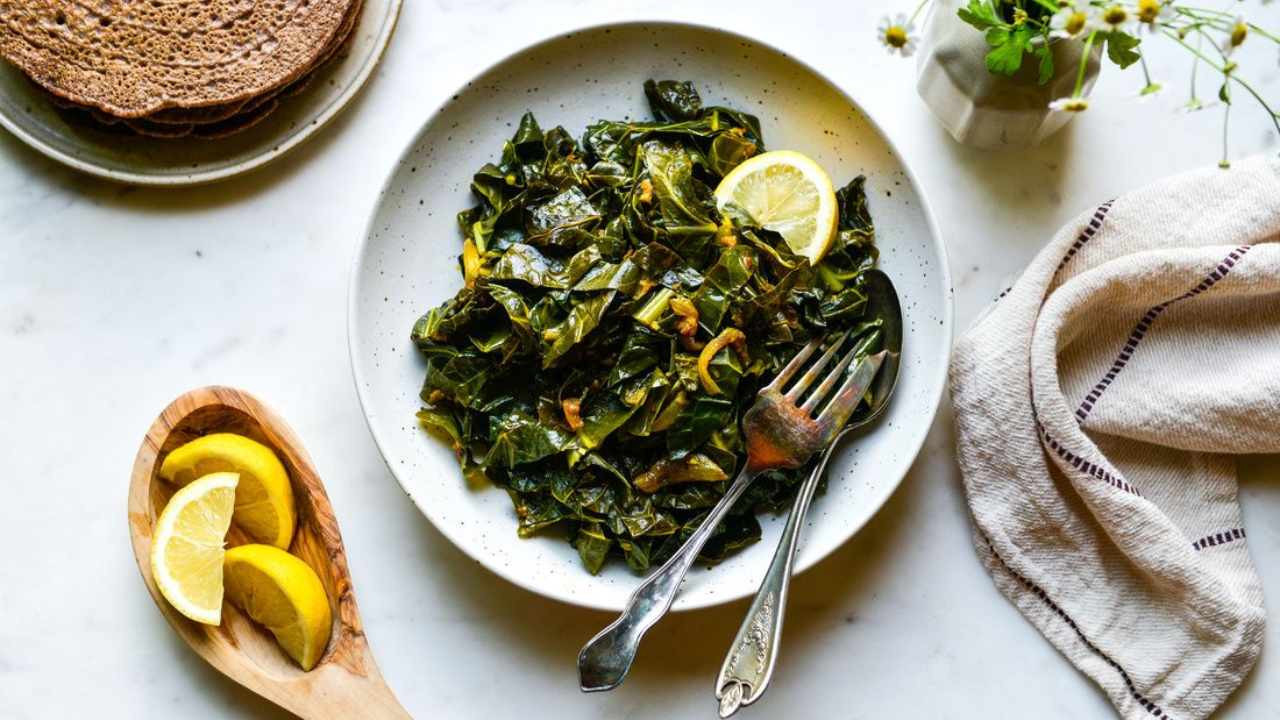
Gomen is a simple side dish made from collard greens cooked with garlic and spices. The greens become tender while maintaining a slight texture. The flavor is earthy and lightly seasoned, providing balance to richer dishes. It is often served alongside stews and meats. This dish adds freshness and color to the meal. It is both healthy and easy to prepare.

Degree of Difficulty: Easy
Core Techniques: Sautéing, simmering
Key Equipment: Pan, knife
Beginner-Friendly Variations: Use spinach, add carrots

Blog Image
© The Fake Food Show

7. Atakilt Wat (Vegetable Stew)
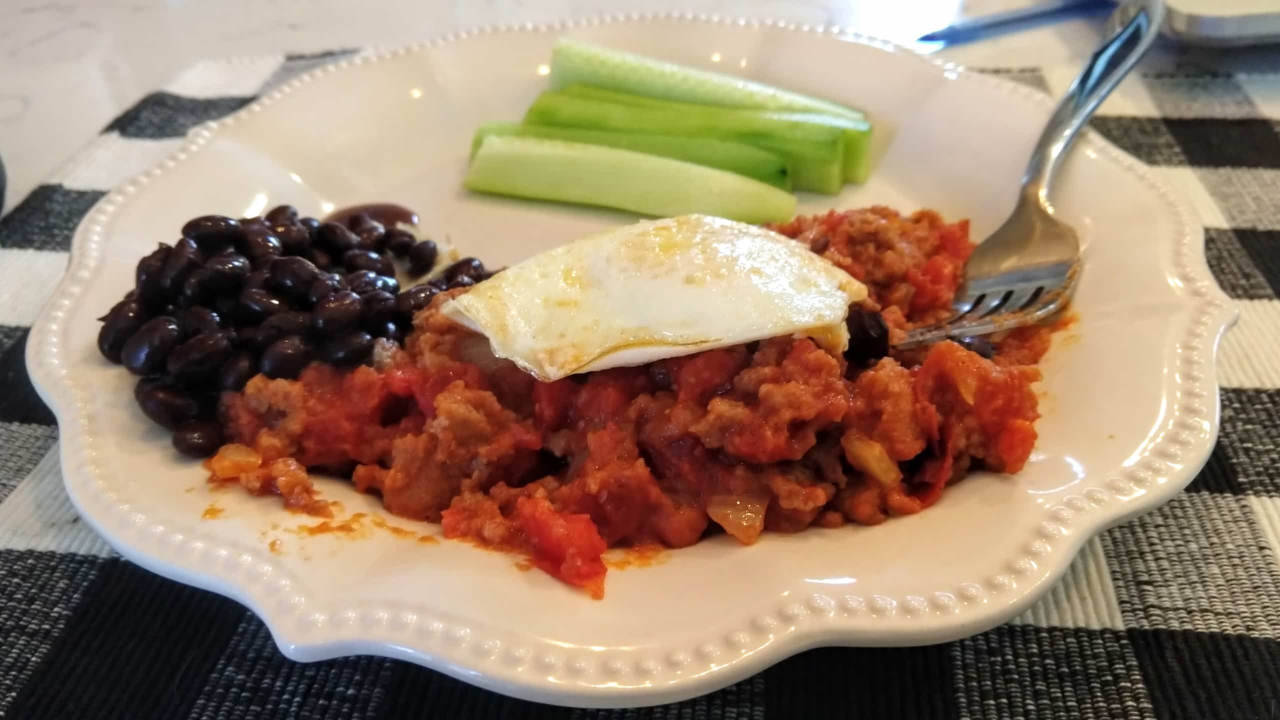
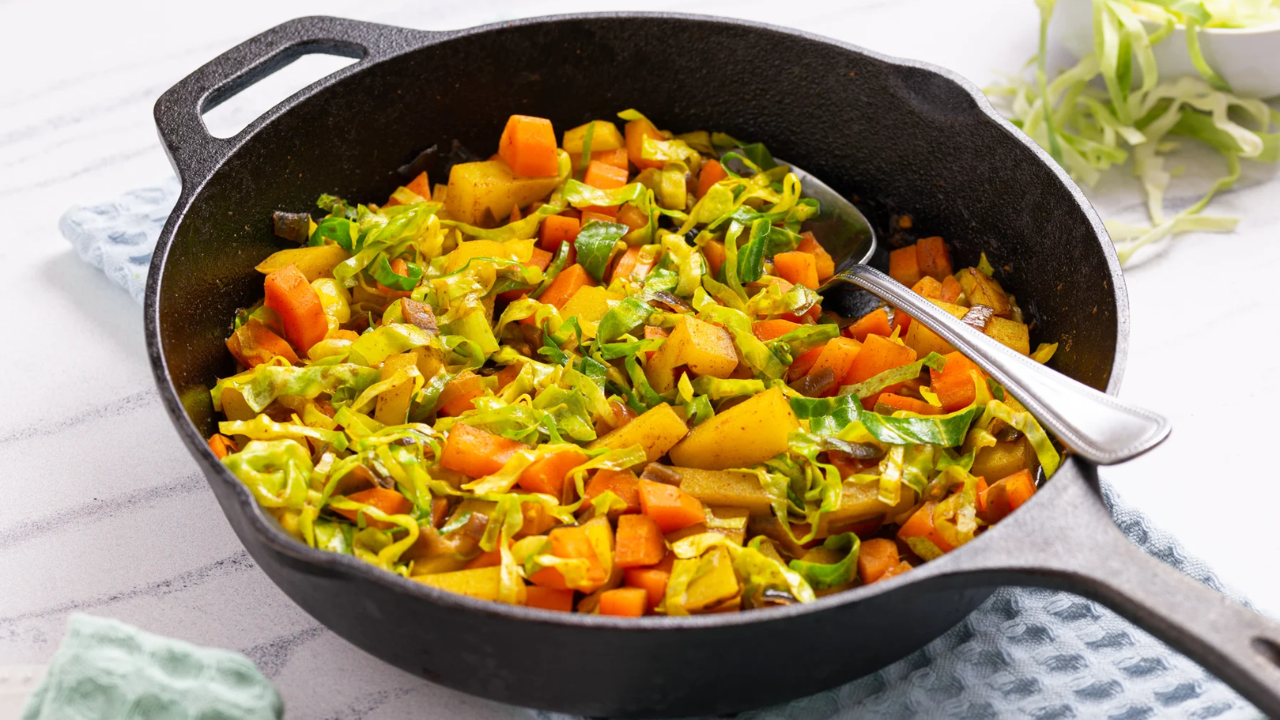
Atakilt wat is a vegetable stew made with cabbage, potatoes, and carrots cooked with mild spices. The vegetables soften and absorb the flavors, creating a comforting dish. The texture is tender with a slight bite from the vegetables. It is often served as part of a larger meal. The flavors are gentle and well-balanced. This dish is perfect for those who prefer lighter spice levels.

Degree of Difficulty: Easy
Core Techniques: Sautéing, simmering
Key Equipment: Pot, spoon
Beginner-Friendly Variations: Add peas, reduce spices

Blog Image
© The Fake Food Show

8. Firfir (Injera Stir Dish)
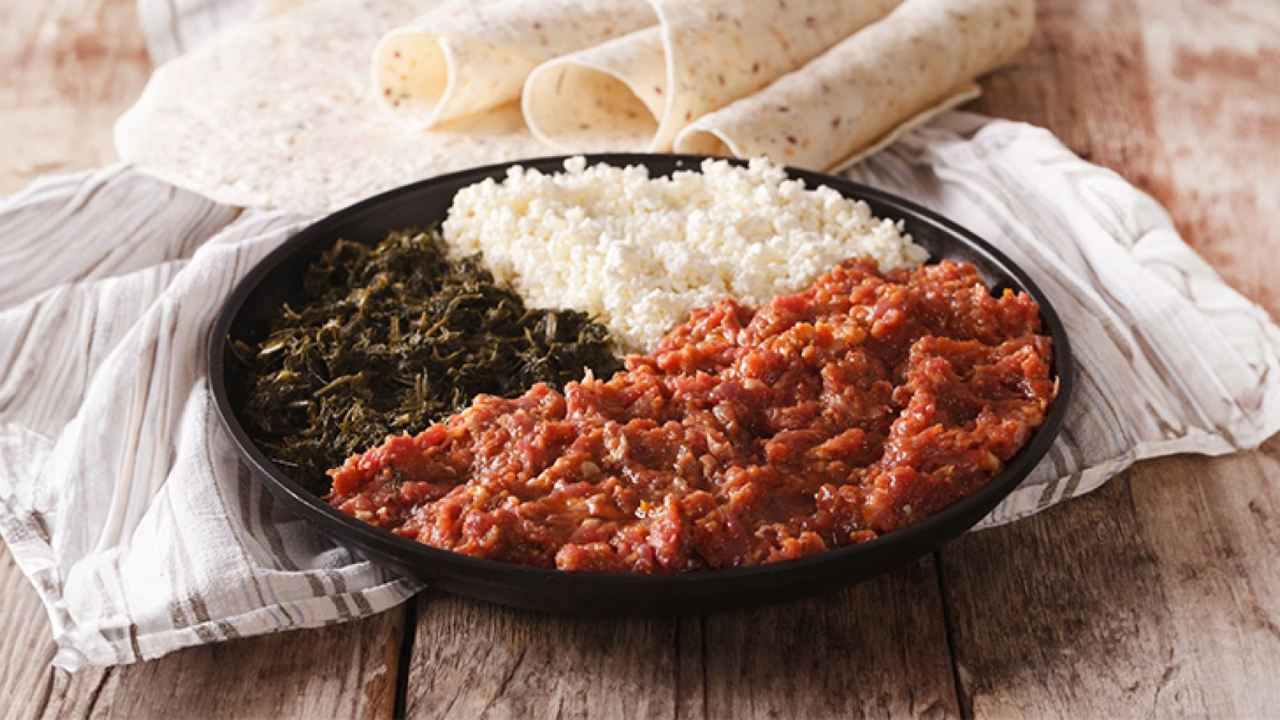
Firfir is made by tearing injera into pieces and mixing it with a spiced sauce. The bread absorbs the sauce, becoming soft and flavorful. The dish is slightly tangy with a rich, spicy taste. It is often prepared using leftover injera, making it practical and economical. The texture is soft and slightly chewy. Firfir is a comforting and quick meal option.

Degree of Difficulty: Easy
Core Techniques: Mixing, sautéing
Key Equipment: Pan, bowl
Beginner-Friendly Variations: Use flatbread, reduce spice

Blog Image
© The Fake Food Show

9. Kitfo (Spiced Minced Meat)
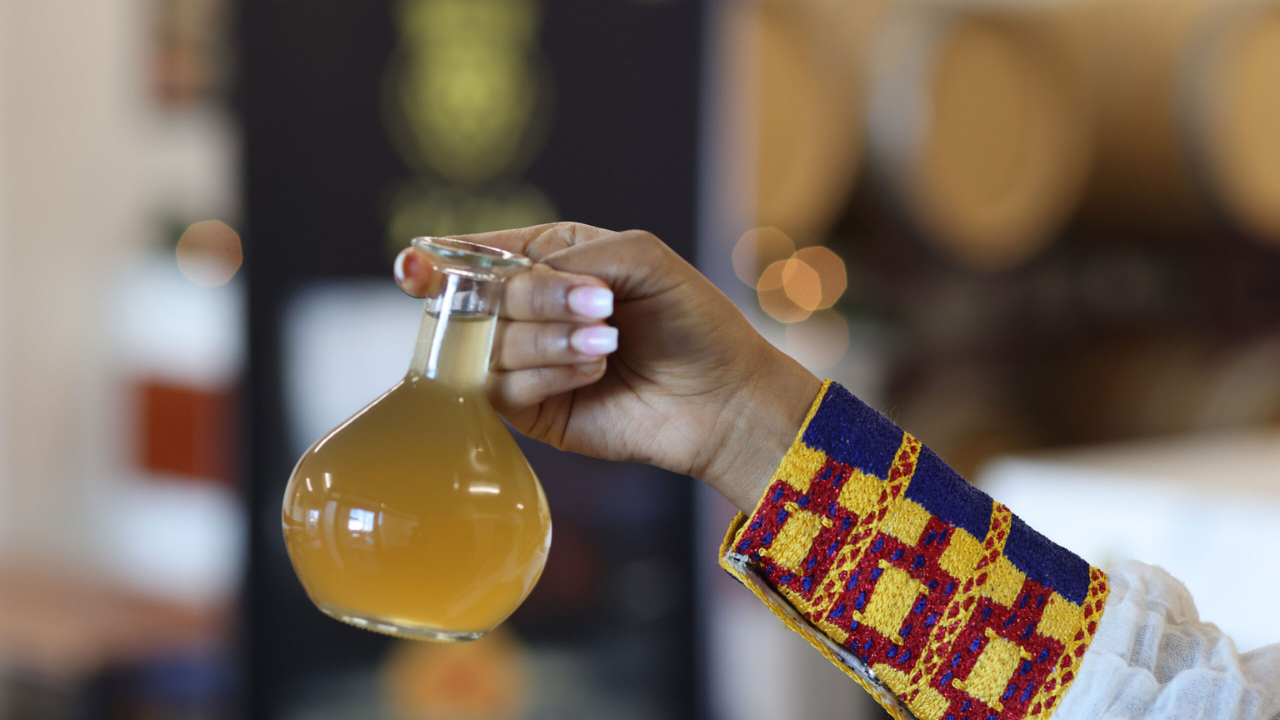
Kitfo is a dish made from finely minced meat seasoned with spices and clarified butter. The texture is soft and rich, often served slightly warm or raw. The seasoning adds depth without overpowering the natural flavor. It is traditionally enjoyed with injera and sides. The dish is considered a delicacy in Ethiopian cuisine. It offers a unique and bold eating experience.

Degree of Difficulty: Medium
Core Techniques: Mixing, light cooking
Key Equipment: Bowl, pan
Beginner-Friendly Variations: Cook fully, reduce spices

Blog Image
© The Fake Food Show

10. Honey Wine (Tej)
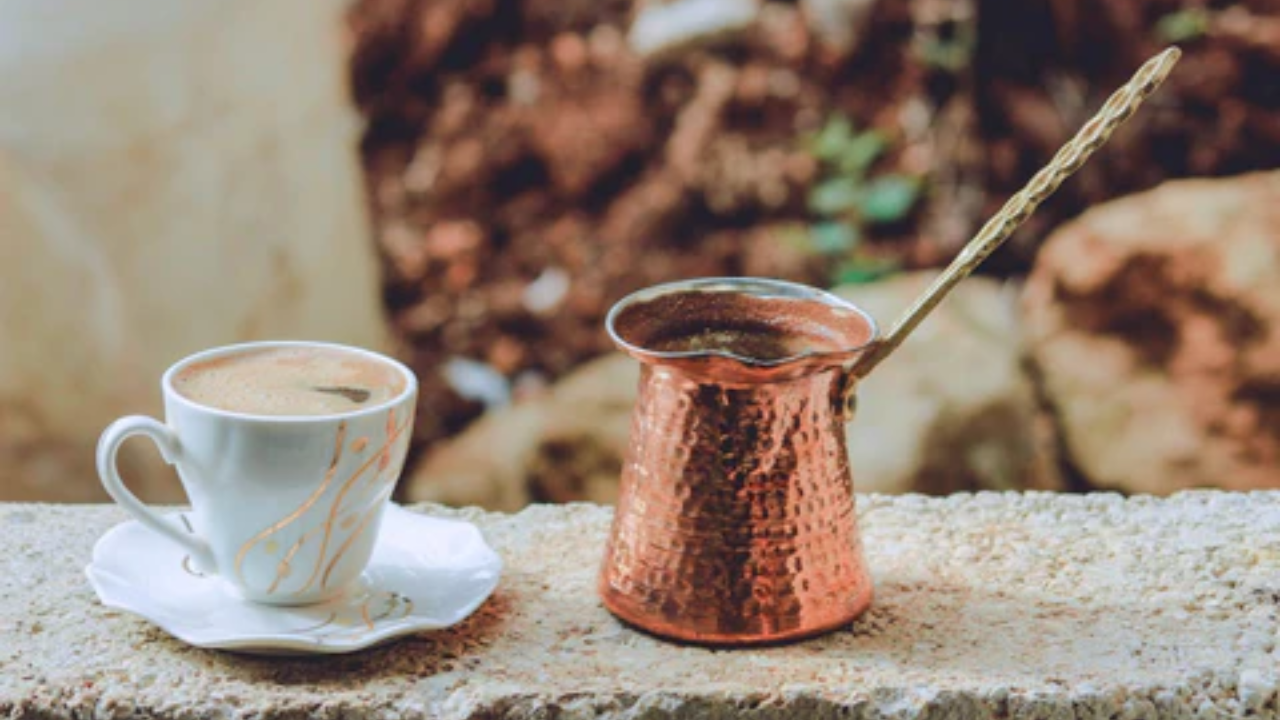
Tej is a traditional Ethiopian drink made from honey, water, and fermentation. The flavor is sweet with a slightly tangy finish. It is often served during celebrations and special gatherings. The drink has a smooth texture and mild alcohol content. It pairs well with rich and spicy dishes. Tej is both refreshing and culturally significant.

Degree of Difficulty: Medium
Core Techniques: Fermenting, mixing
Key Equipment: Jar, strainer
Beginner-Friendly Variations: Reduce fermentation time

Blog Image
© The Fake Food Show

11. Spiced Coffee Ceremony Brew
Ethiopian coffee is prepared through a traditional ceremony that highlights its cultural importance. The beans are roasted, ground, and brewed fresh, creating a rich aroma. The flavor is deep, slightly bitter, and very smooth. Spices or herbs may be added for variation. The process is slow and intentional, making it a social experience. This drink is central to Ethiopian hospitality.

Degree of Difficulty: Medium
Core Techniques: Roasting, brewing
Key Equipment: Pan, coffee pot
Beginner-Friendly Variations: Use ground coffee, skip roasting

Blog Image
© The Fake Food Show

12. Chickpea Salad with Berbere

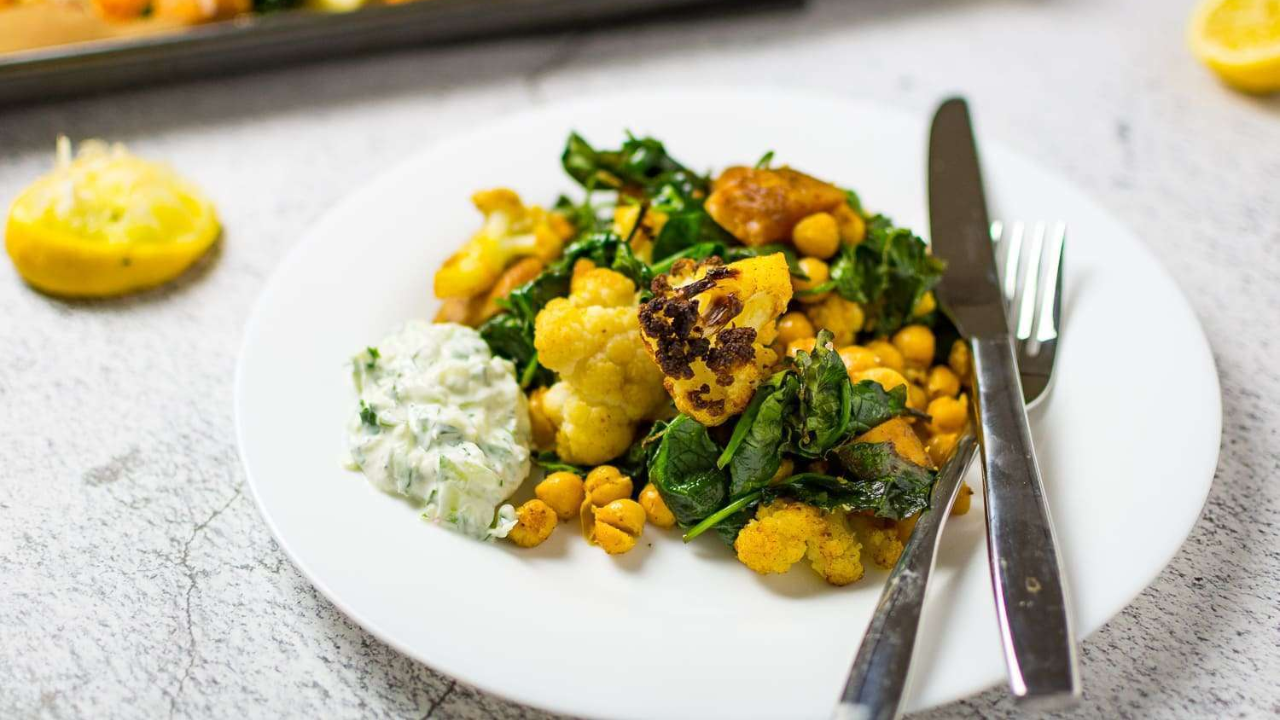
This salad combines chickpeas with fresh vegetables and berbere spices for a flavorful dish. The chickpeas provide a hearty base, while the vegetables add crunch and freshness. The spices give the salad a warm and slightly spicy kick. It is both nutritious and satisfying. The dish is simple yet full of flavor. It works well as a side or light meal.

Degree of Difficulty: Easy
Core Techniques: Mixing, seasoning
Key Equipment: Bowl, spoon
Beginner-Friendly Variations: Add cucumber, reduce spice

Comments (0)

Leave a Comment

Your email address will not be published. Required fields are marked *