
Food Healthy

12 Essential Dishes Every Beginner Cook Should Learn

Blog Image
Email :

Learning to cook can feel overwhelming at first, but starting with a few foundational recipes makes the process much easier. Many classic dishes teach important techniques like sautéing, roasting, simmering, and seasoning properly. Once you master these basic methods, you can confidently cook a wide variety of meals at home.

These beginner-friendly recipes focus on simple ingredients and straightforward techniques that build real kitchen skills. From comforting soups and classic pasta dishes to roasted meats and simple desserts, each recipe helps new cooks practice the fundamentals of good cooking.


Gallery Slides
Blog Image
© The Fake Food Show

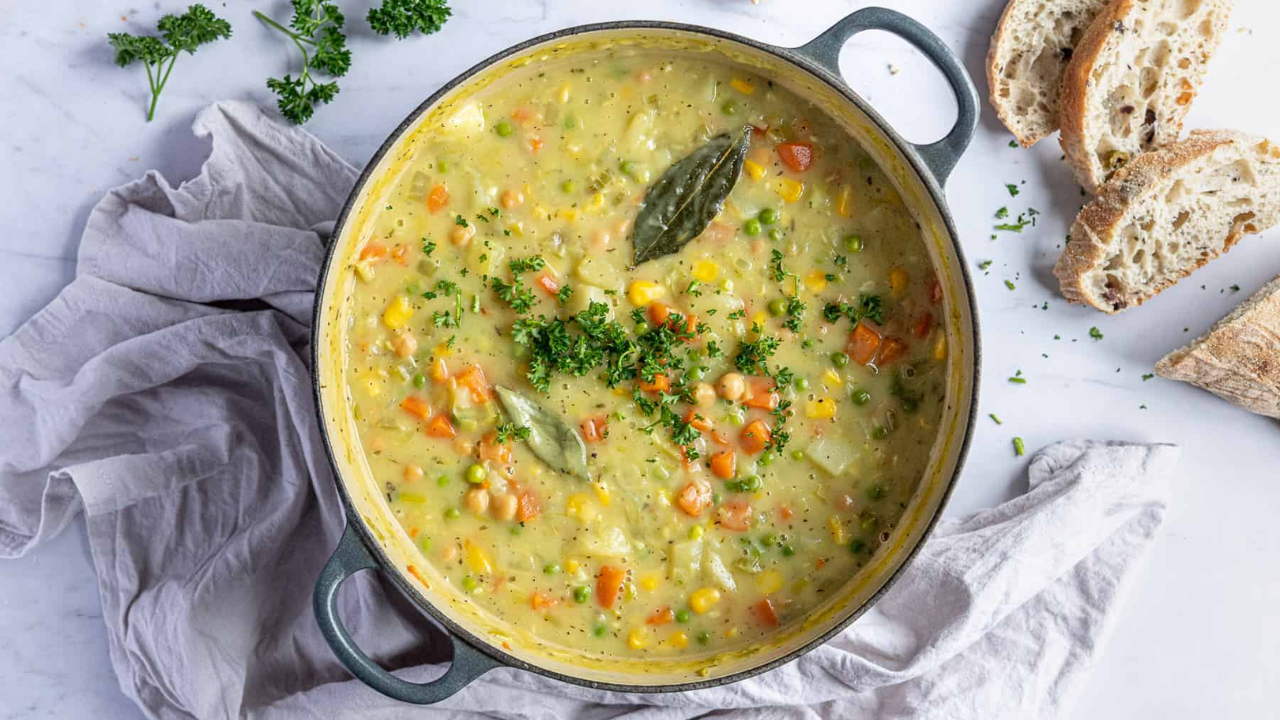
1. Creamy Vegetable Soup
Creamy vegetable soup is one of the best starting points for beginner cooks. Aromatic vegetables like onions and garlic are sautéed before being simmered with broth and blended into a smooth texture. The addition of cream or butter gives the soup a rich and comforting flavor.

Degree of Difficulty: Easy

Core Techniques: Sautéing vegetables, simmering, blending

Key Equipment: Saucepan, blender

Beginner-Friendly Variations: Use carrots, potatoes, or broccoli for different flavors


Blog Image
© The Fake Food Show

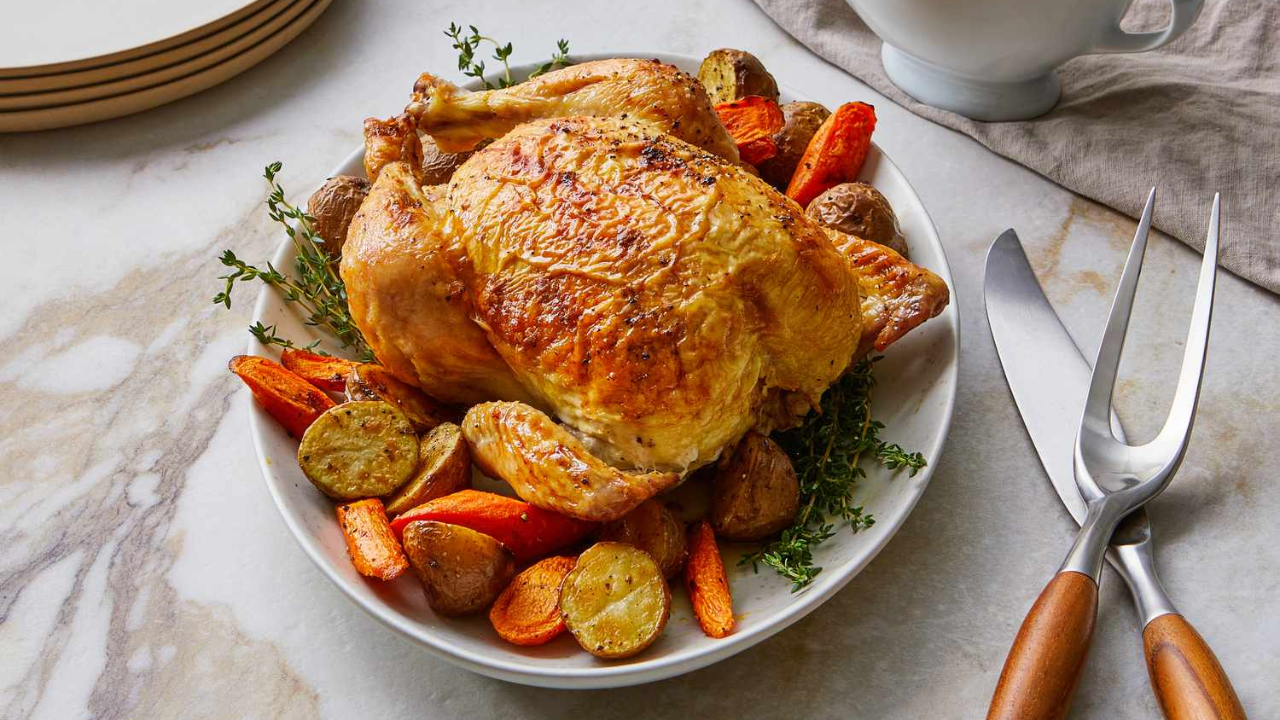
2. Herb-Roasted Chicken
Herb-roasted chicken is a classic dish that teaches the basics of seasoning and oven roasting. A whole chicken is rubbed with herbs, salt, and pepper before roasting until the skin turns golden and crispy. The meat stays juicy while the herbs add aromatic flavor.

Degree of Difficulty: Medium

Core Techniques: Roasting meat, seasoning

Key Equipment: Roasting pan, oven thermometer

Beginner-Friendly Variations: Roast chicken pieces instead of a whole bird


Blog Image
© The Fake Food Show

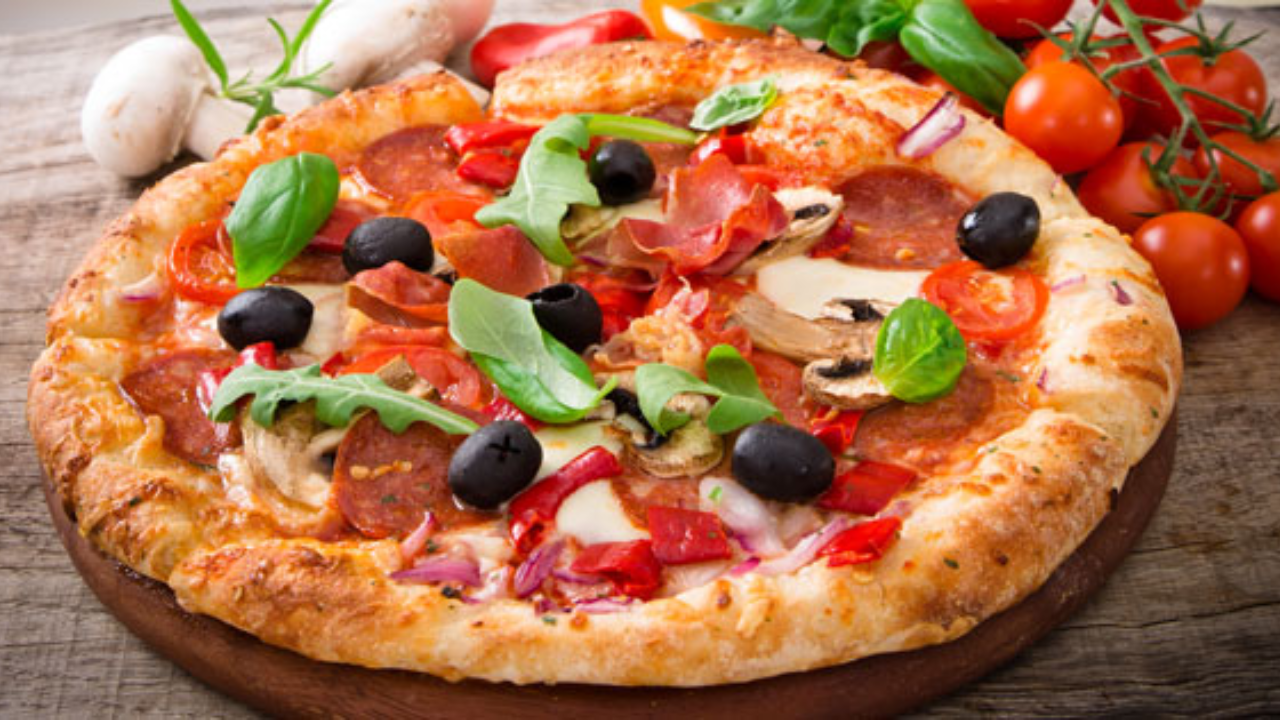
3. Homemade Pizza
Homemade pizza is a fun way for beginners to learn how dough works. The dough is stretched and topped with tomato sauce, cheese, and favorite toppings before baking until crisp. Making pizza also teaches timing and temperature control.

Degree of Difficulty: Medium

Core Techniques: Dough preparation, baking

Key Equipment: Baking sheet or pizza stone

Beginner-Friendly Variations: Use store-bought pizza dough


Blog Image
© The Fake Food Show

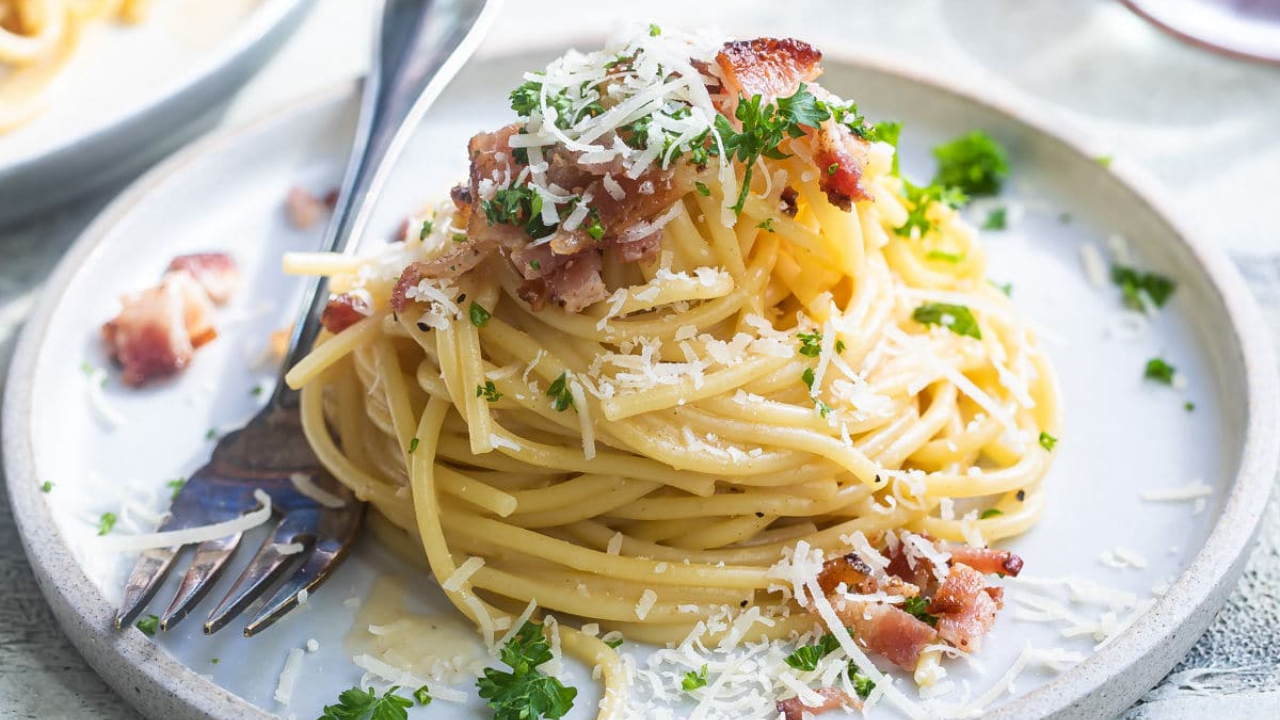
4. Spaghetti Carbonara
Spaghetti carbonara is a simple pasta dish made with eggs, cheese, pepper, and crispy pancetta. The hot pasta gently cooks the egg mixture to form a creamy sauce without using cream. The dish requires attention but uses only a few ingredients.

Degree of Difficulty: Medium

Core Techniques: Pasta cooking, sauce emulsification

Key Equipment: Large pot, skillet

Beginner-Friendly Variations: Substitute bacon for pancetta


Blog Image
© The Fake Food Show

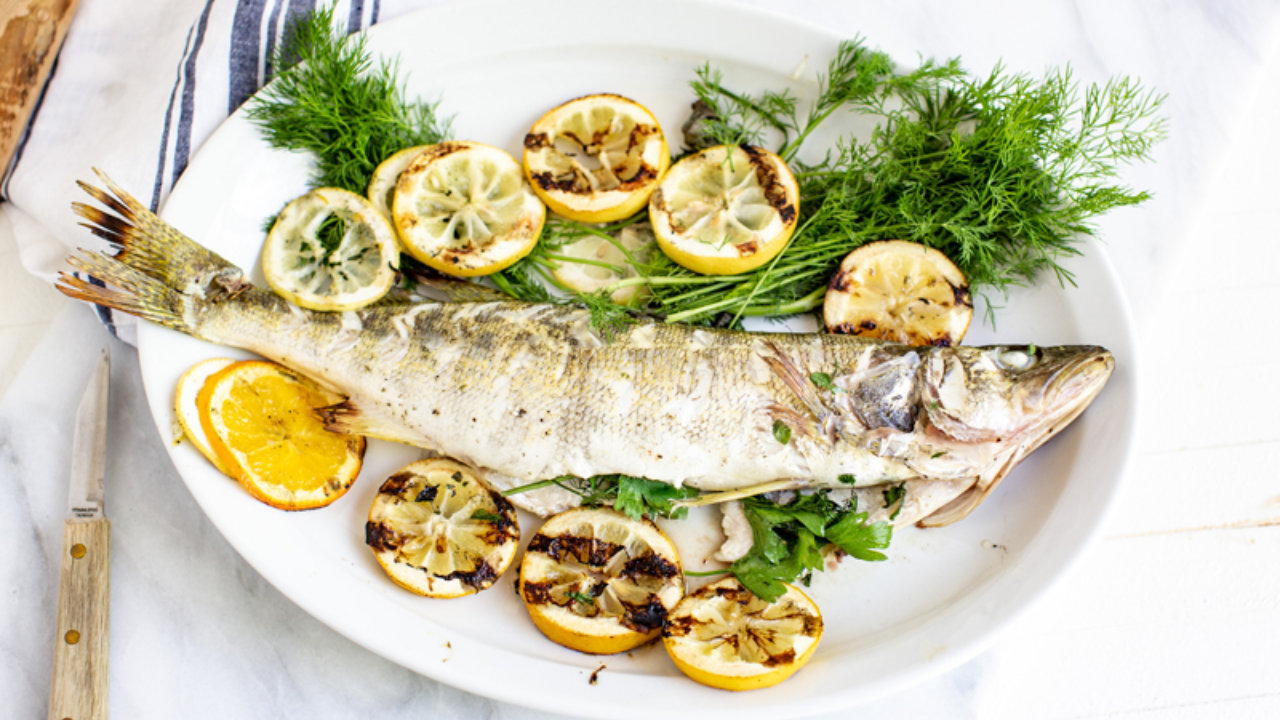
5. Whole Roasted Fish
Whole roasted fish may seem intimidating, but it’s surprisingly simple. The fish is seasoned with herbs, lemon, and olive oil before roasting until tender. When cooked properly, the meat becomes flaky and flavorful.

Degree of Difficulty: Medium

Core Techniques: Roasting seafood, seasoning

Key Equipment: Baking dish, fish spatula

Beginner-Friendly Variations: Use fillets instead of a whole fish


Blog Image
© The Fake Food Show

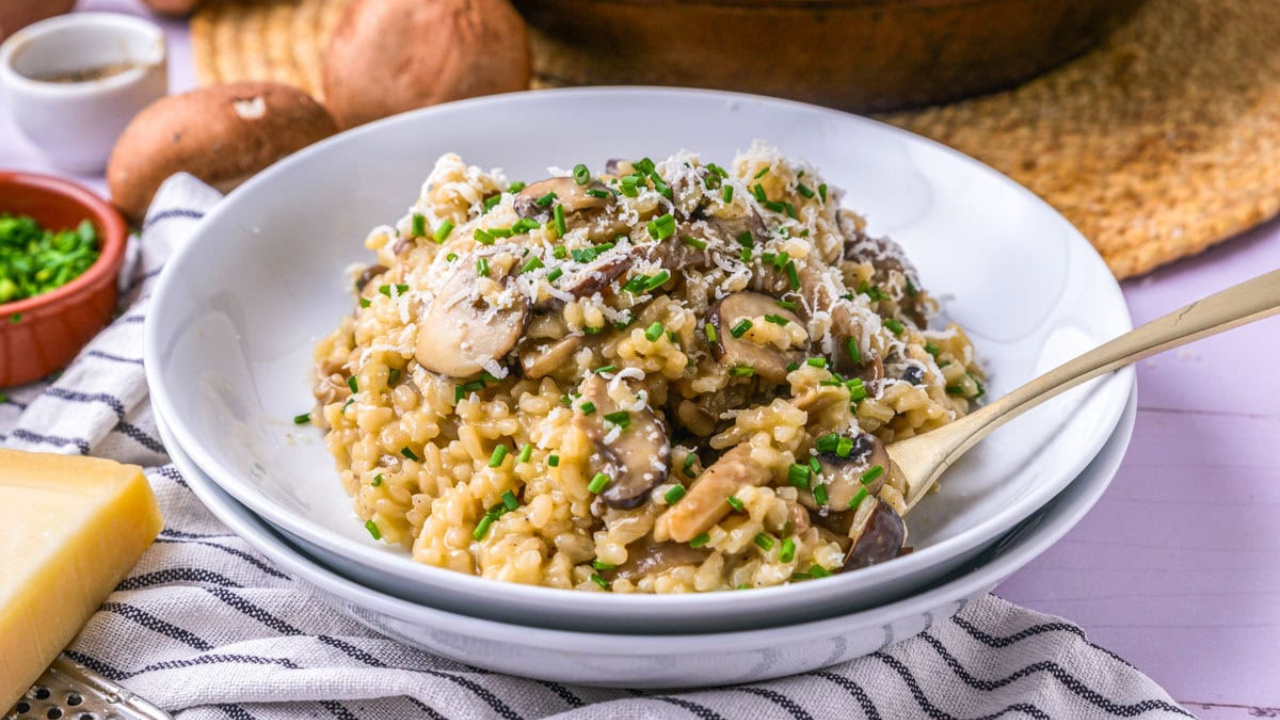
6. Mushroom Risotto

Risotto is a creamy Italian rice dish that teaches patience and attention to detail. Warm broth is gradually added to the rice while stirring, allowing the grains to release their starch. Mushrooms add earthy flavor and richness to the dish.

Degree of Difficulty: Medium

Core Techniques: Gradual broth addition, constant stirring

Key Equipment: Saucepan, wooden spoon

Beginner-Friendly Variations: Add peas or Parmesan for extra flavor

Blog Image
© The Fake Food Show

7. Classic Apple Pie
Apple pie is a great introduction to baking fundamentals. Fresh apples are sliced and mixed with sugar and spices before being baked inside a flaky pastry crust. The result is a warm and comforting dessert with balanced sweetness.

Degree of Difficulty: Medium

Core Techniques: Pastry making, baking

Key Equipment: Pie dish, rolling pin

Beginner-Friendly Variations: Use store-bought pie crust


Blog Image
© The Fake Food Show

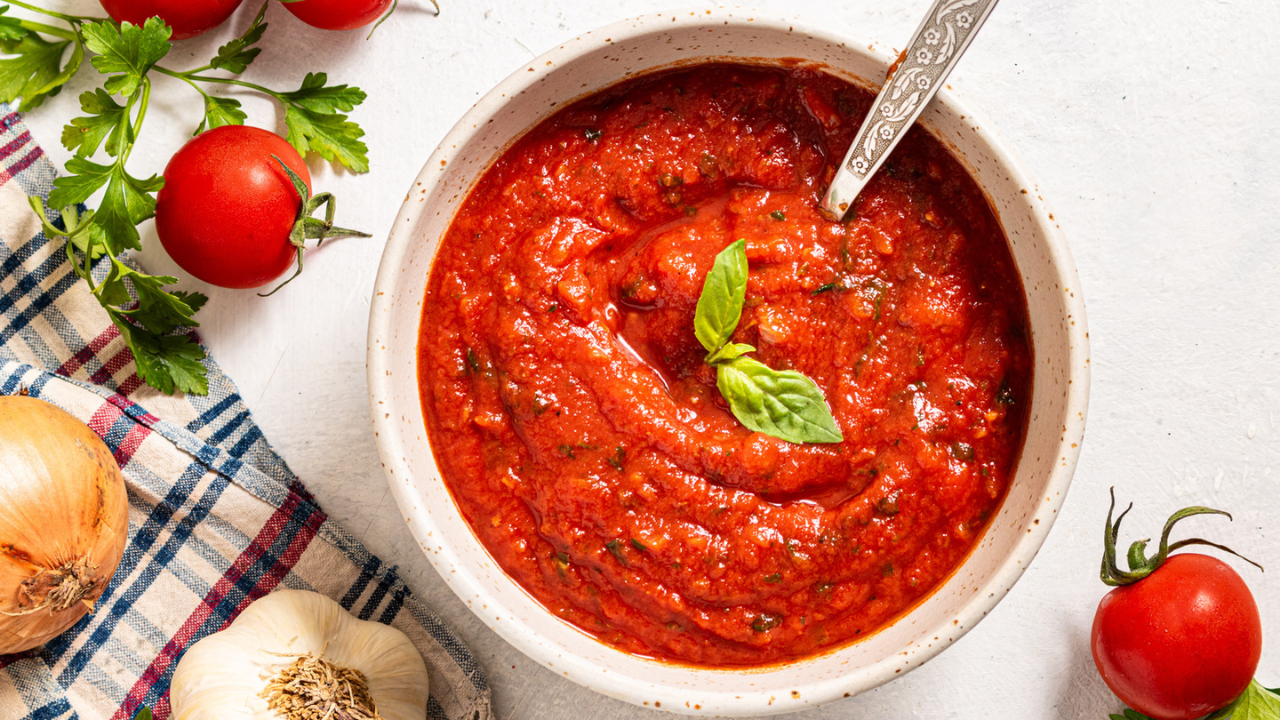
8. Simple Tomato Sauce
A simple tomato sauce is one of the most useful recipes every cook should know. Tomatoes simmer slowly with onion, butter, and salt until the sauce becomes rich and flavorful. It can be used for pasta, pizza, or many other dishes.

Degree of Difficulty: Easy

Core Techniques: Simmering, seasoning

Key Equipment: Saucepan, wooden spoon

Beginner-Friendly Variations: Add garlic or basil


Blog Image
© The Fake Food Show

9. Butter-Basted Steak
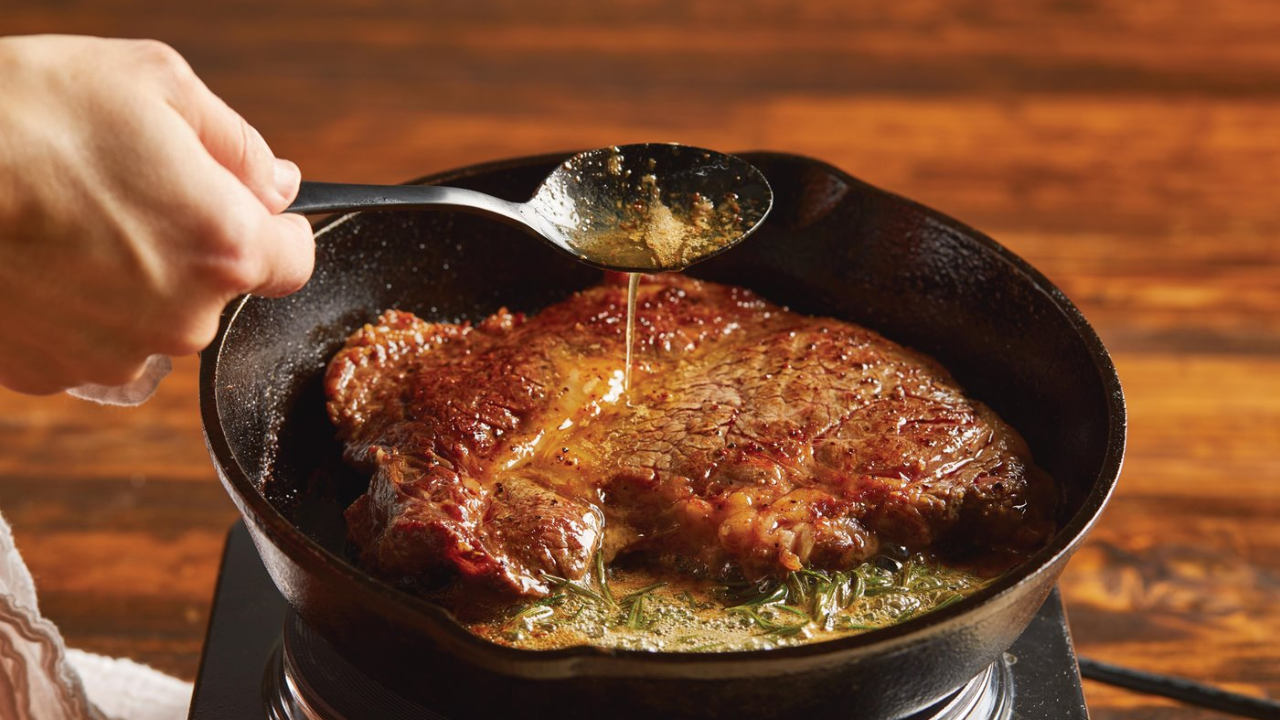
Butter-basted steak teaches important techniques like searing and controlling heat. The steak is cooked in a hot pan before being basted with butter, garlic, and herbs. This method creates a flavorful crust while keeping the meat tender.

Degree of Difficulty: Medium

Core Techniques: High-heat searing, butter basting

Key Equipment: Cast iron skillet, tongs

Beginner-Friendly Variations: Use strip steak or sirloin


Blog Image
© The Fake Food Show

10. Basic Béchamel Sauce
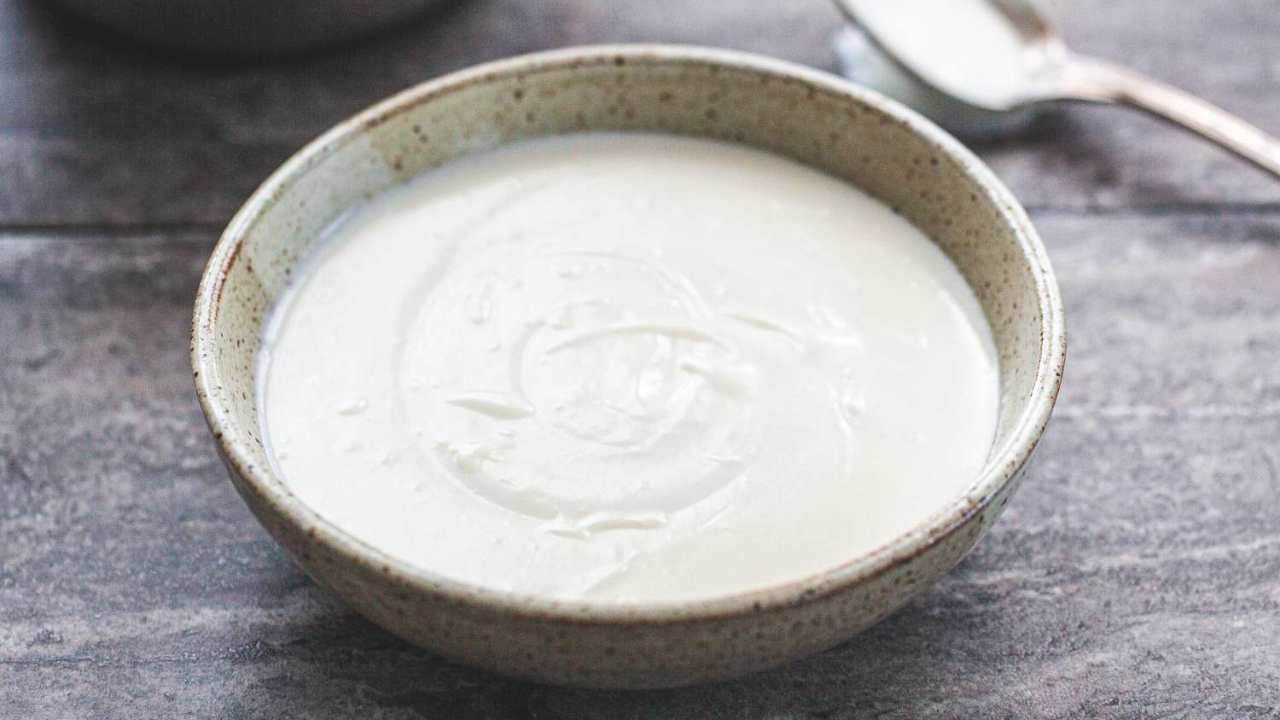
Béchamel is one of the classic French “mother sauces” made with butter, flour, and milk. The sauce forms the base for dishes like macaroni and cheese or creamy casseroles. Learning this sauce helps beginners understand thickening and sauce building.

Degree of Difficulty: Easy

Core Techniques: Roux preparation, sauce whisking

Key Equipment: Saucepan, whisk

Beginner-Friendly Variations: Add cheese to create a creamy cheese sauce


Blog Image
© The Fake Food Show

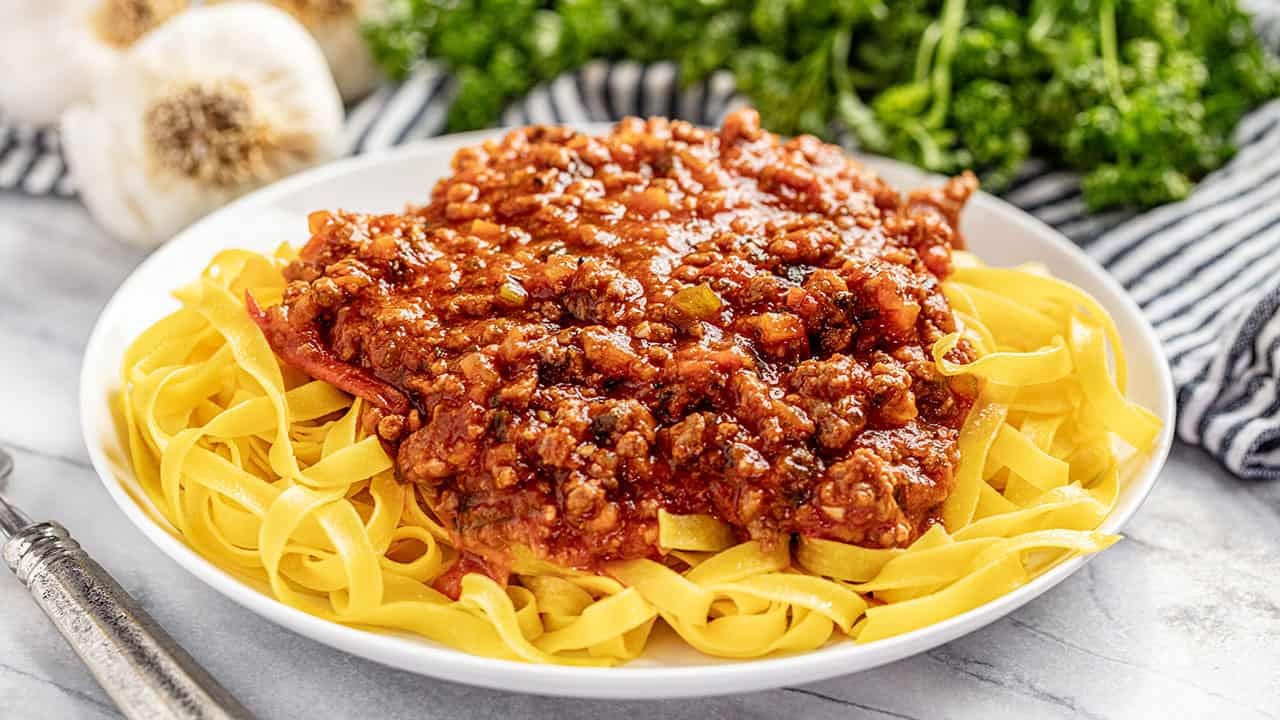
11. Classic Bolognese Sauce
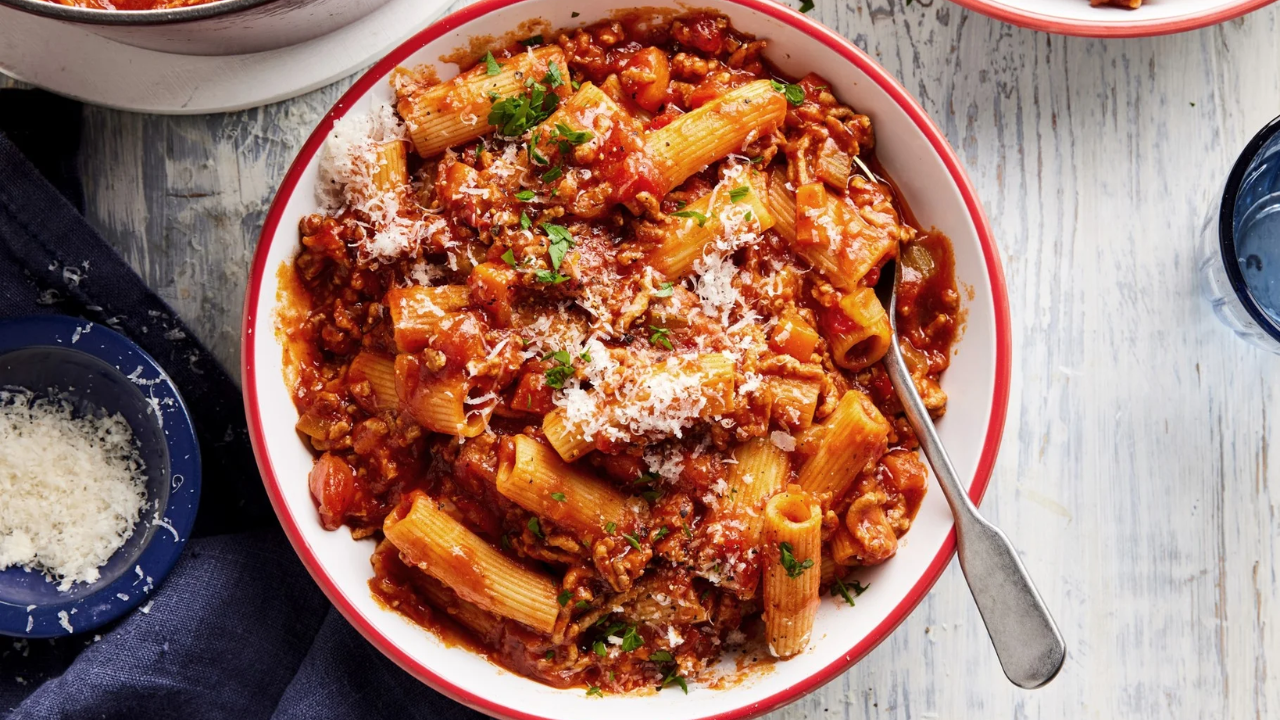
Bolognese sauce is a slow-simmered meat sauce that develops deep flavor over time. Ground meat is cooked with vegetables, tomatoes, and herbs to create a rich pasta topping. It’s a comforting and versatile recipe.

Degree of Difficulty: Medium

Core Techniques: Browning meat, slow simmering

Key Equipment: Large pot, wooden spoon

Beginner-Friendly Variations: Use ground turkey or chicken


Blog Image
© The Fake Food Show

12. Perfect Scrambled Eggs

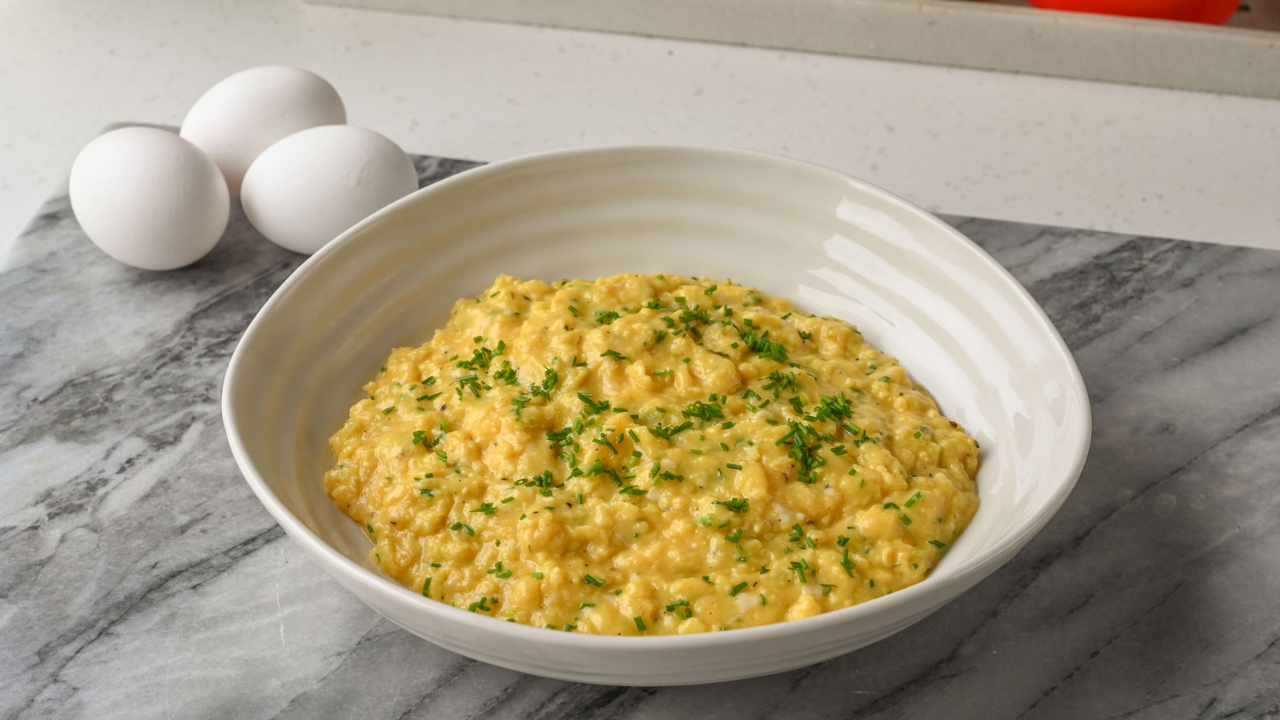
Scrambled eggs are one of the first dishes many people learn to cook. When prepared correctly, they are soft, creamy, and lightly seasoned. Mastering scrambled eggs helps beginners practice heat control and timing.

Degree of Difficulty: Easy

Core Techniques: Gentle stirring, temperature control

Key Equipment: Nonstick skillet, spatula

Beginner-Friendly Variations: Add cheese, herbs, or spinach


Related Tag :

Comments (0)

Leave a Comment

Your email address will not be published. Required fields are marked *